Darts Buying Guide for Beginners: Everything You Need to Get Started | Harrows Darts
Buying your first set of darts can feel a little overwhelming with so many options out there. The good news is that once you know what to look for, it becomes much simpler. This darts buying guide walks you through the most important questions to ask before you buy, so you can find the right set for your budget, your skill level and your throwing style.
This guide will follow the key considerations that you will want to take into account when selecting the correct beginner darts for you.
The anatomy of a dart
Before we get started, lets discuss the composition of a dart so you understand what we are referring to in the guide.
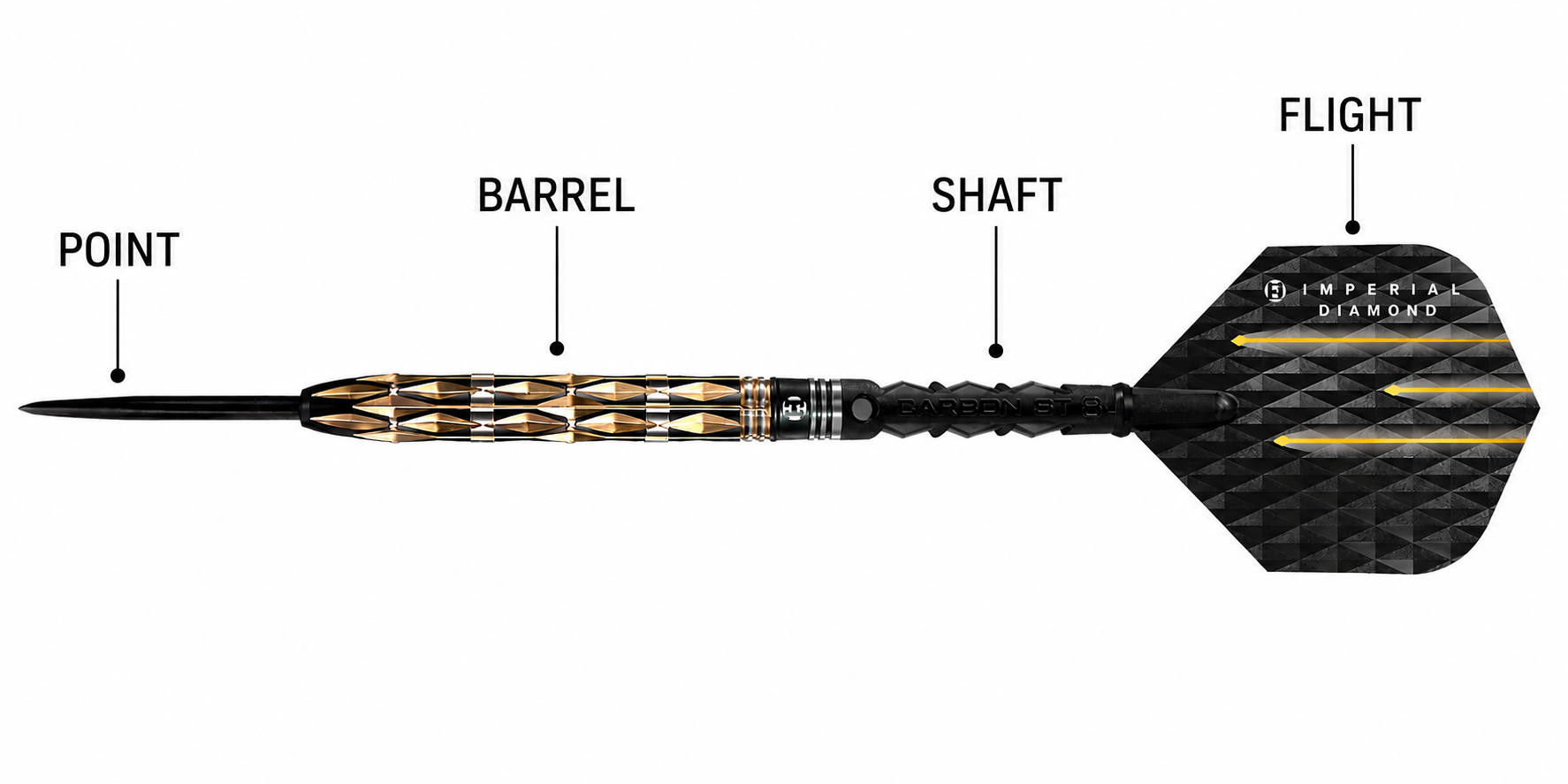
Points
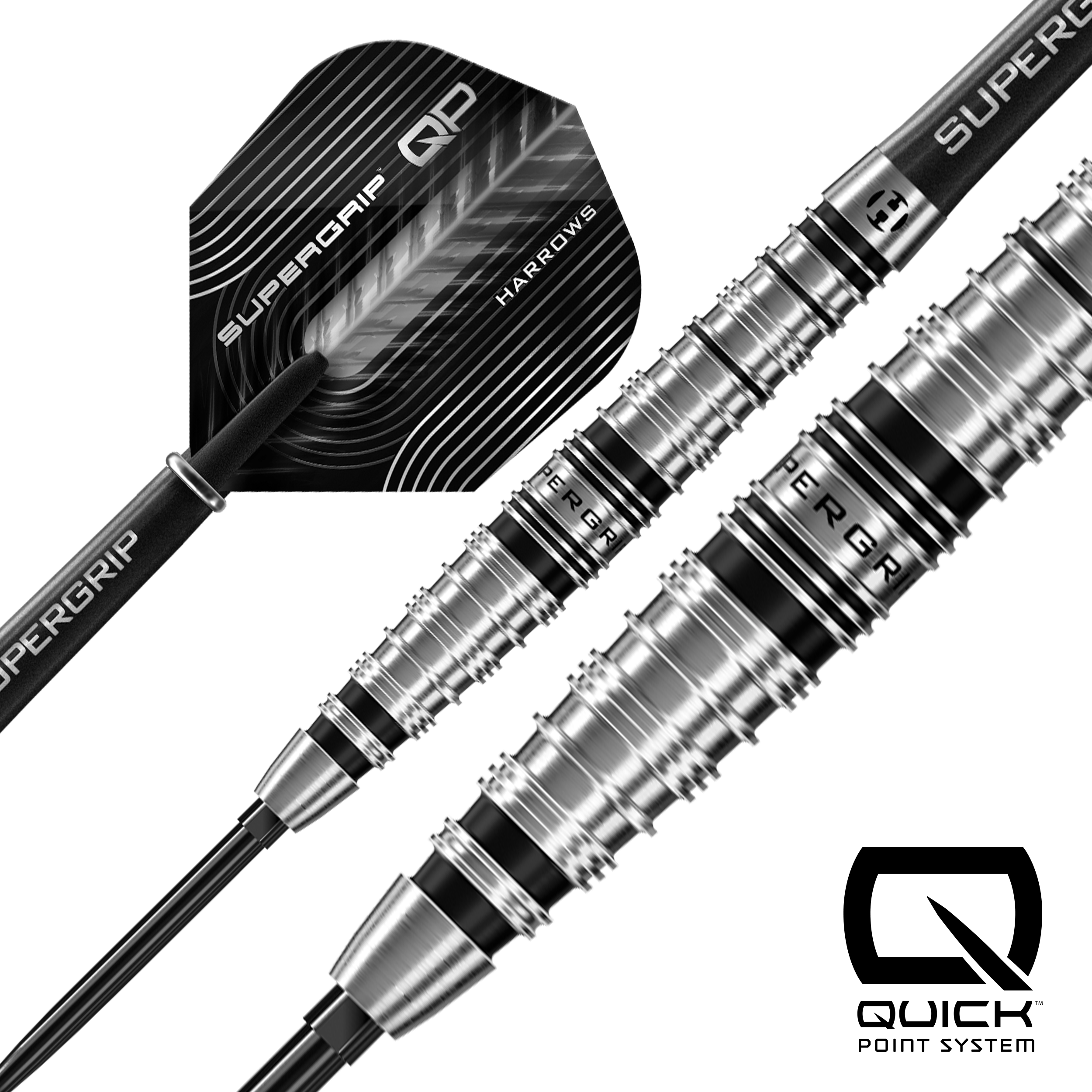
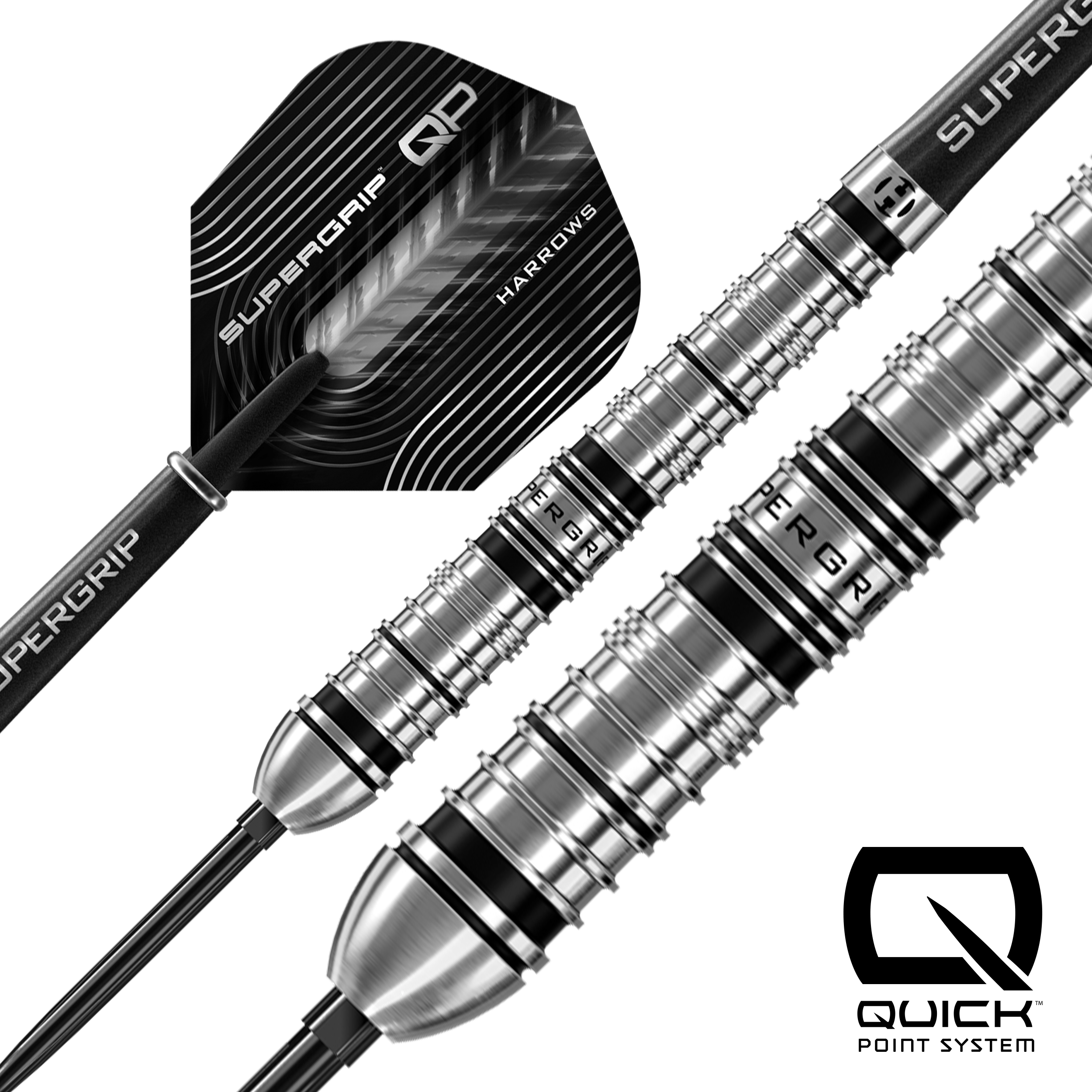
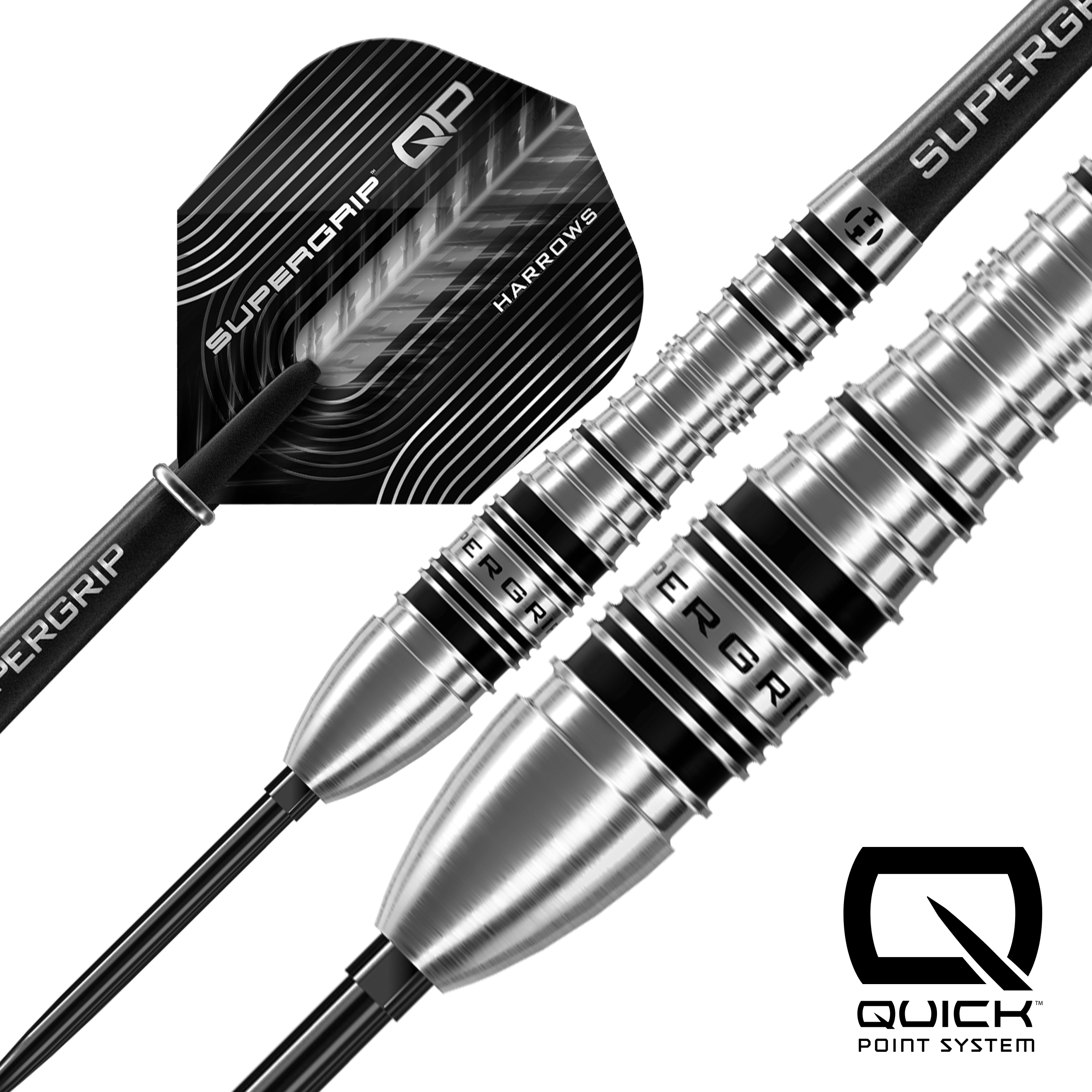
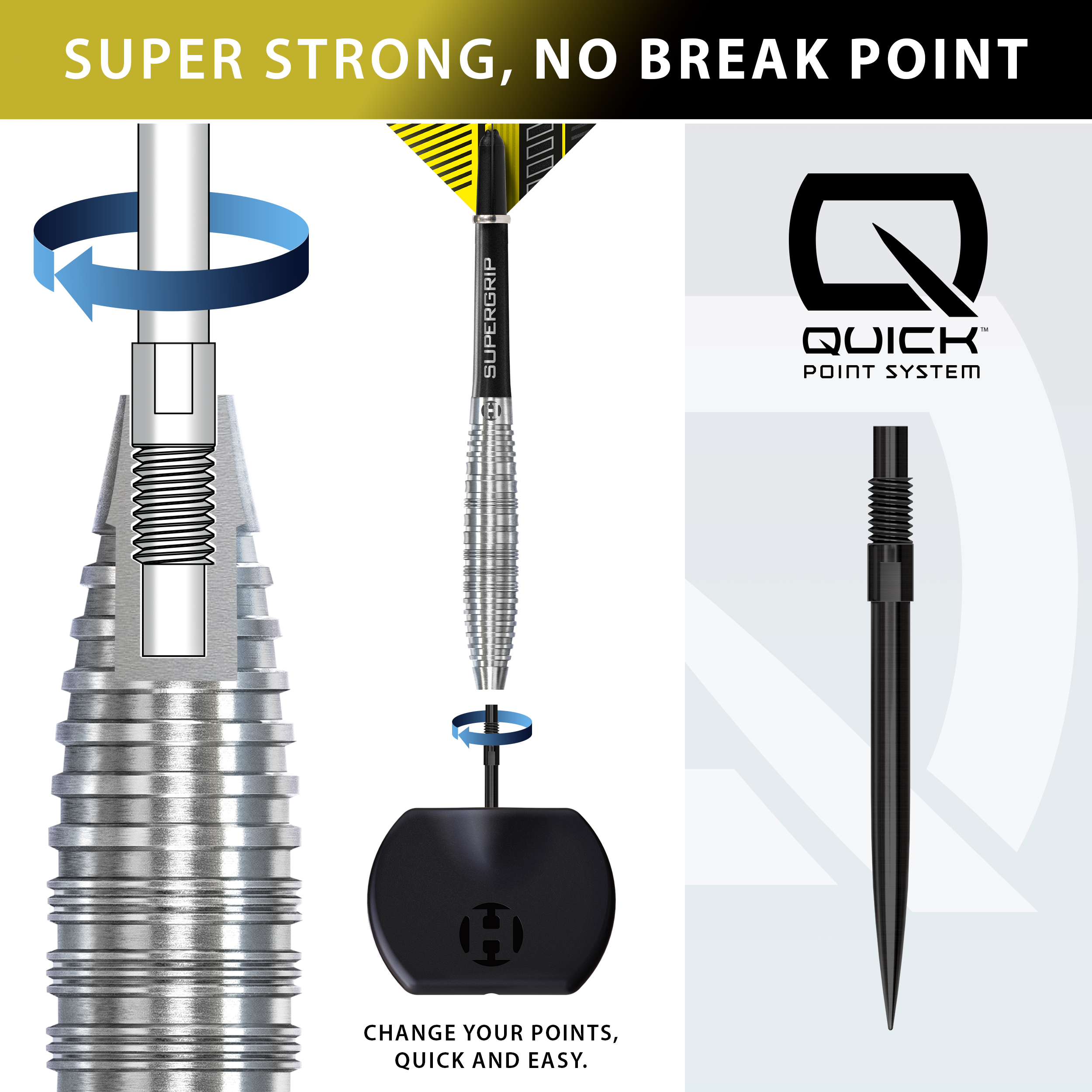
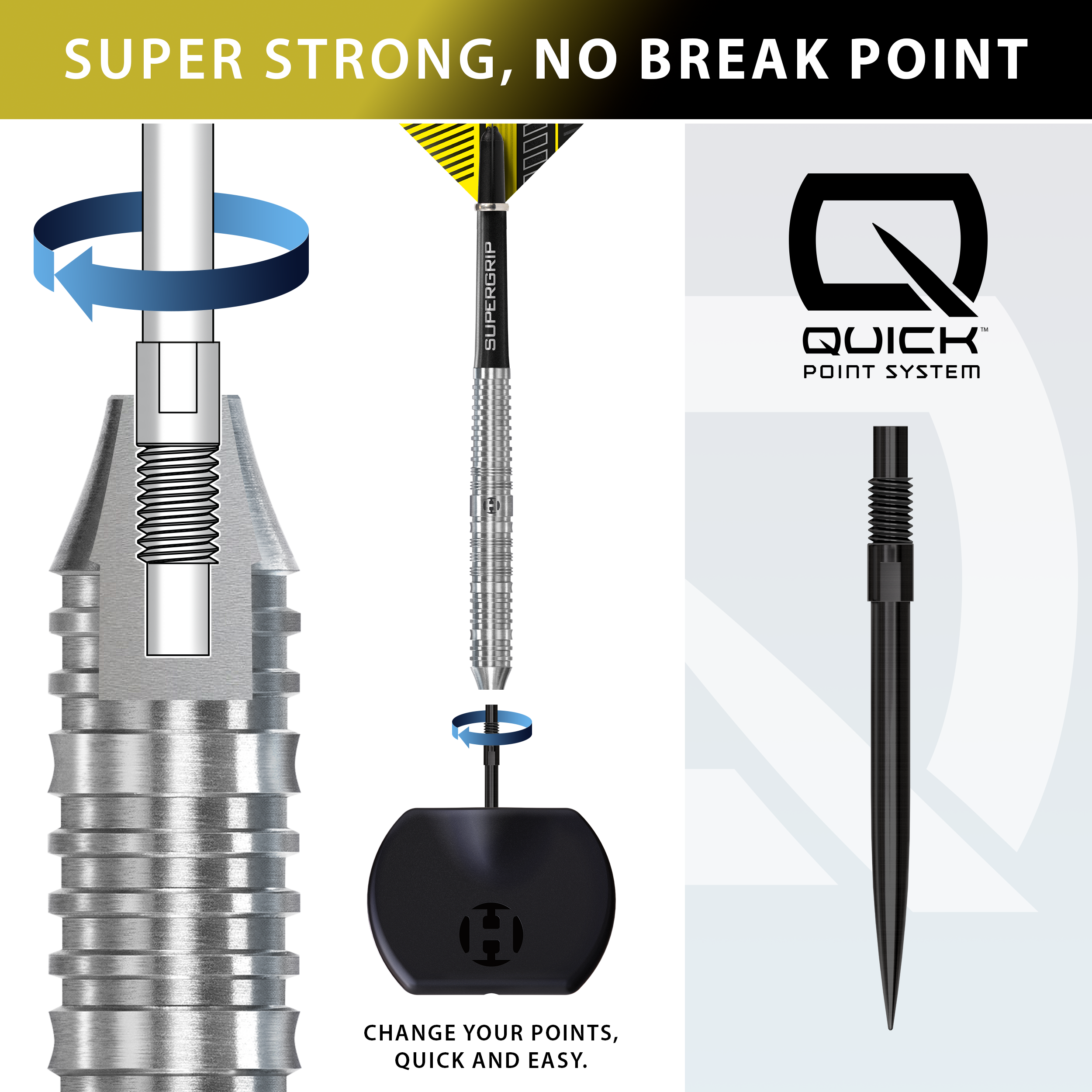
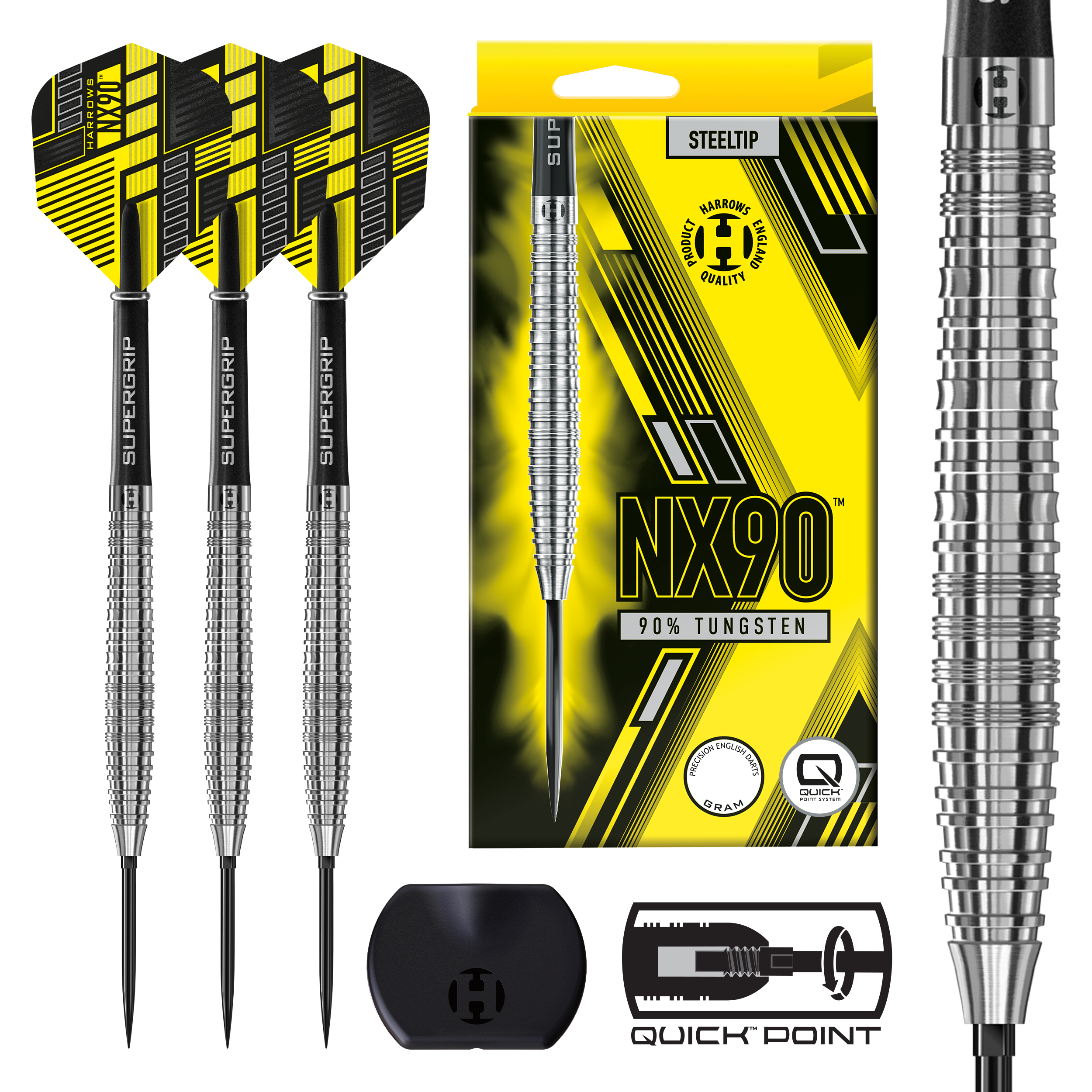
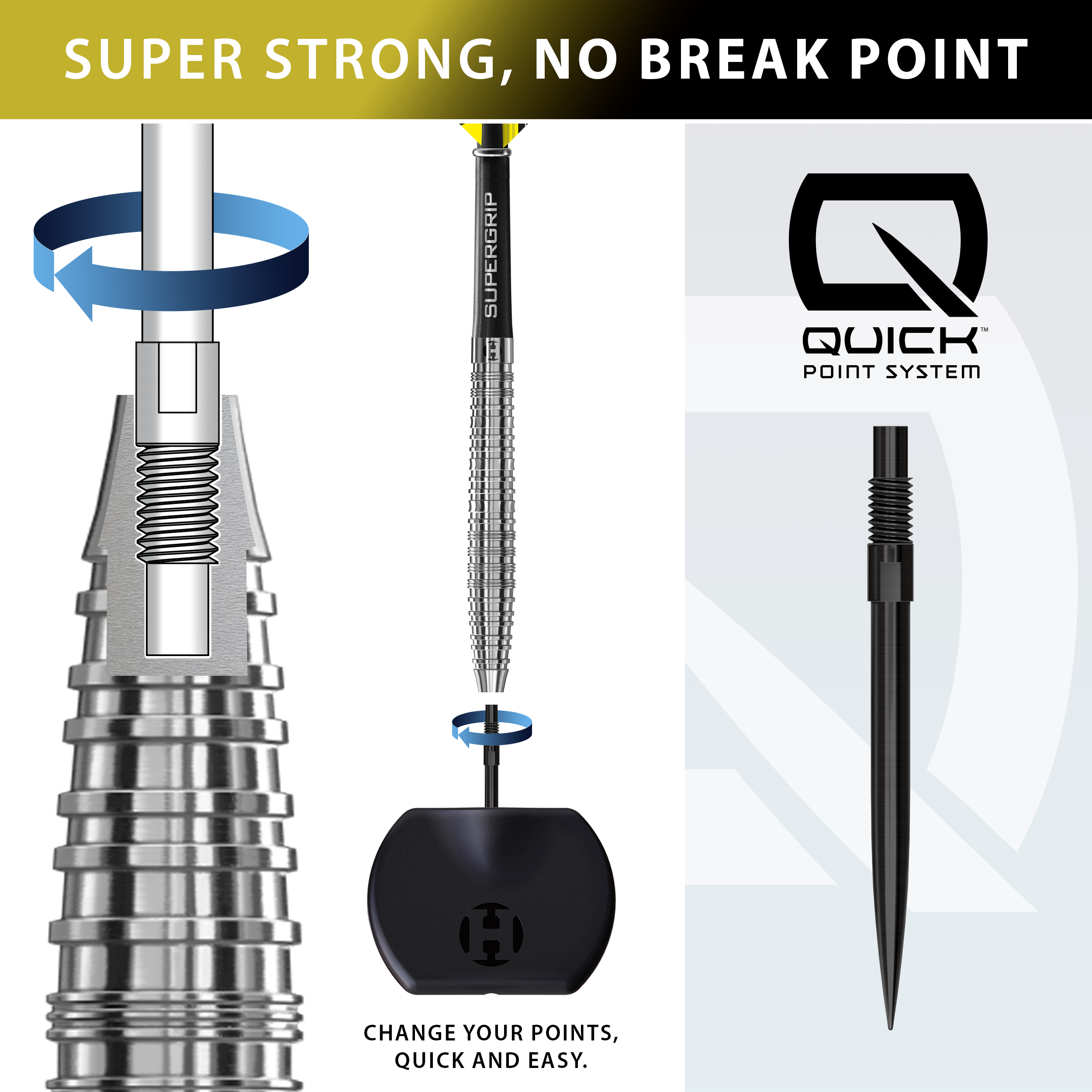
The point enters the dartboard and holds the dart in place. Steel tip points are made from high carbon steel and must stay sharp. Blunt points cause darts to bounce out or fail to penetrate the board. There are a range of steel tip point lengths and colours available so it is a highly customisable part of the dart. Point technology has advanced over the years, with the introduction of Quick Point - which allows you to change points quickly and customise on the go.
Soft tip points are made from plastic and slot into the holes on an electronic board.
Barrels
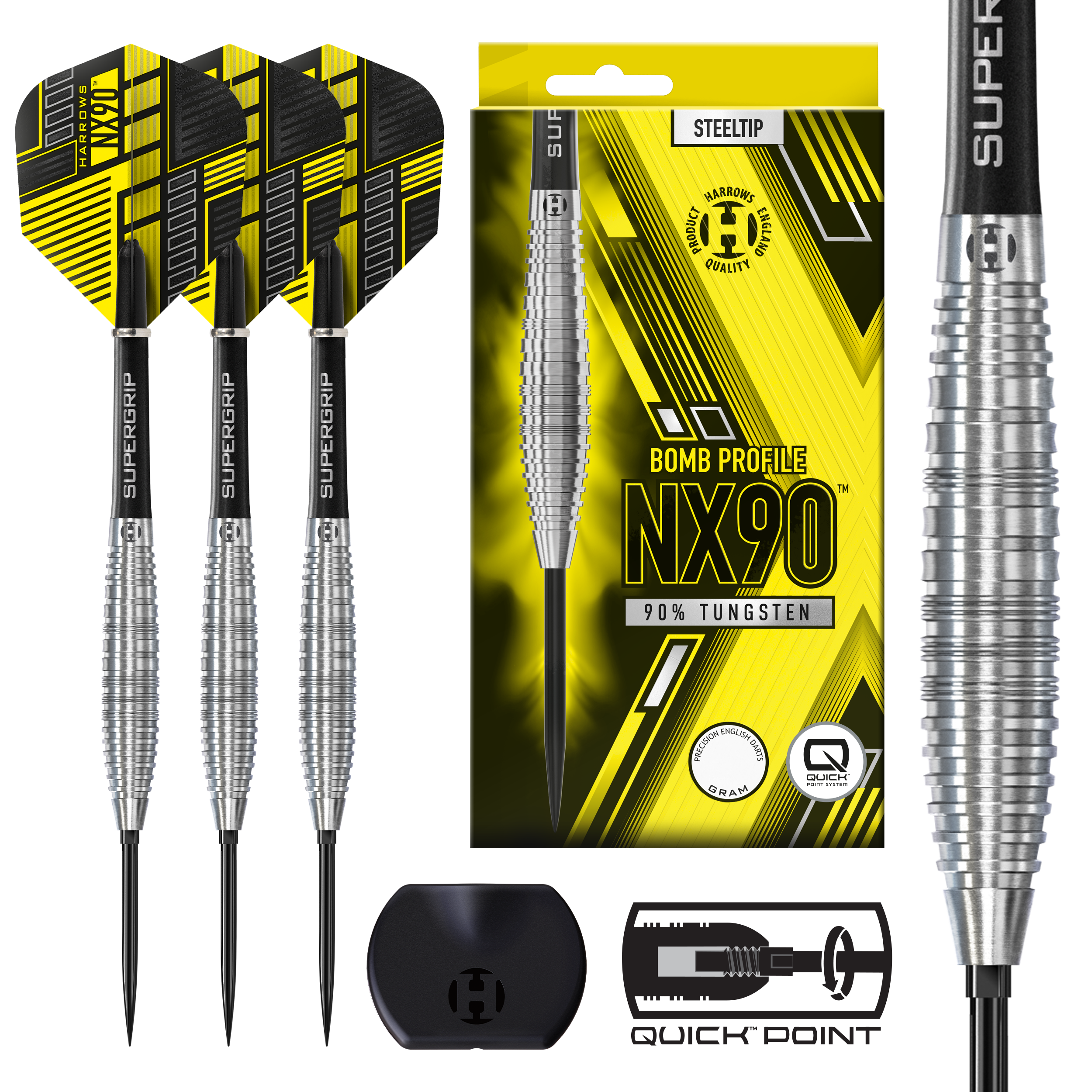
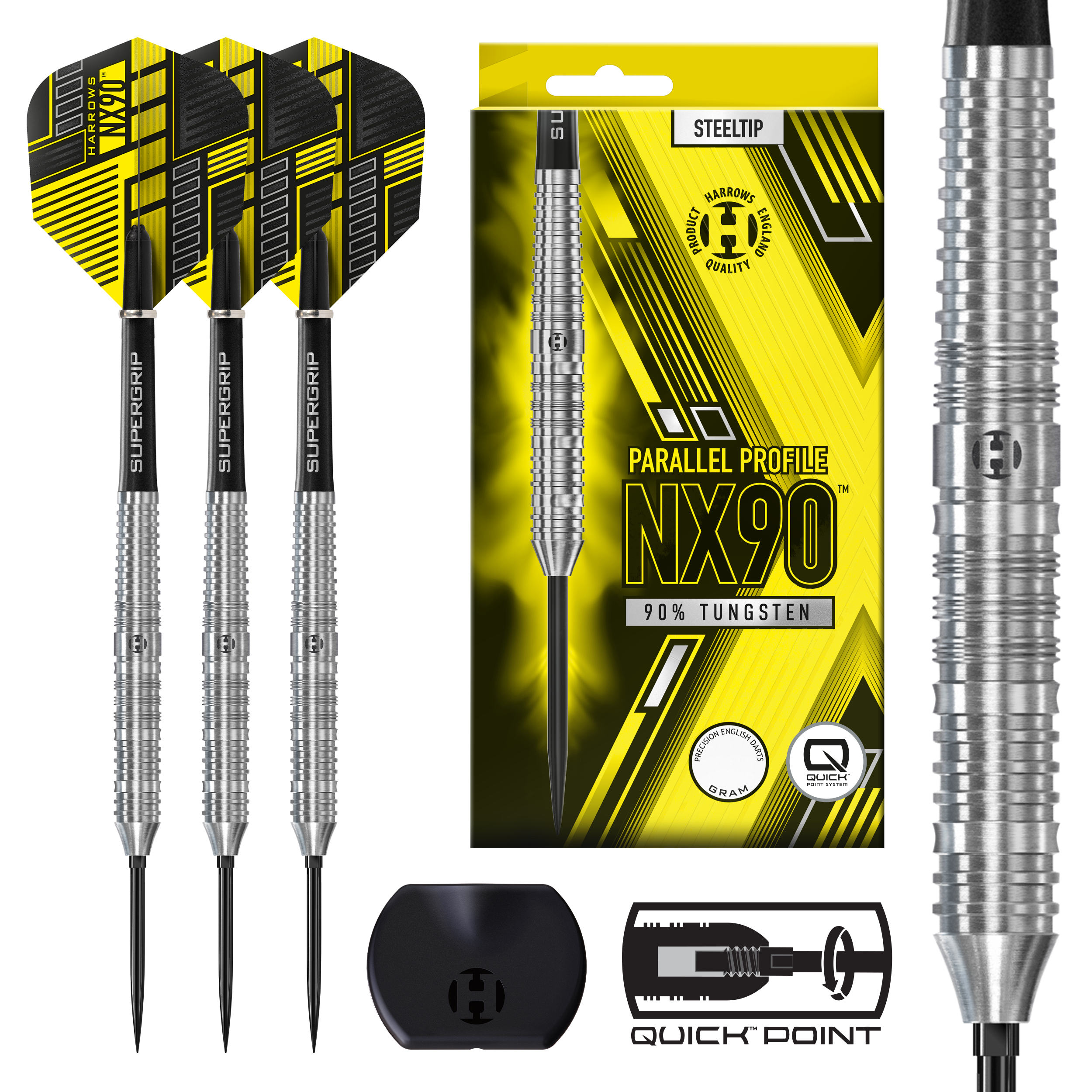
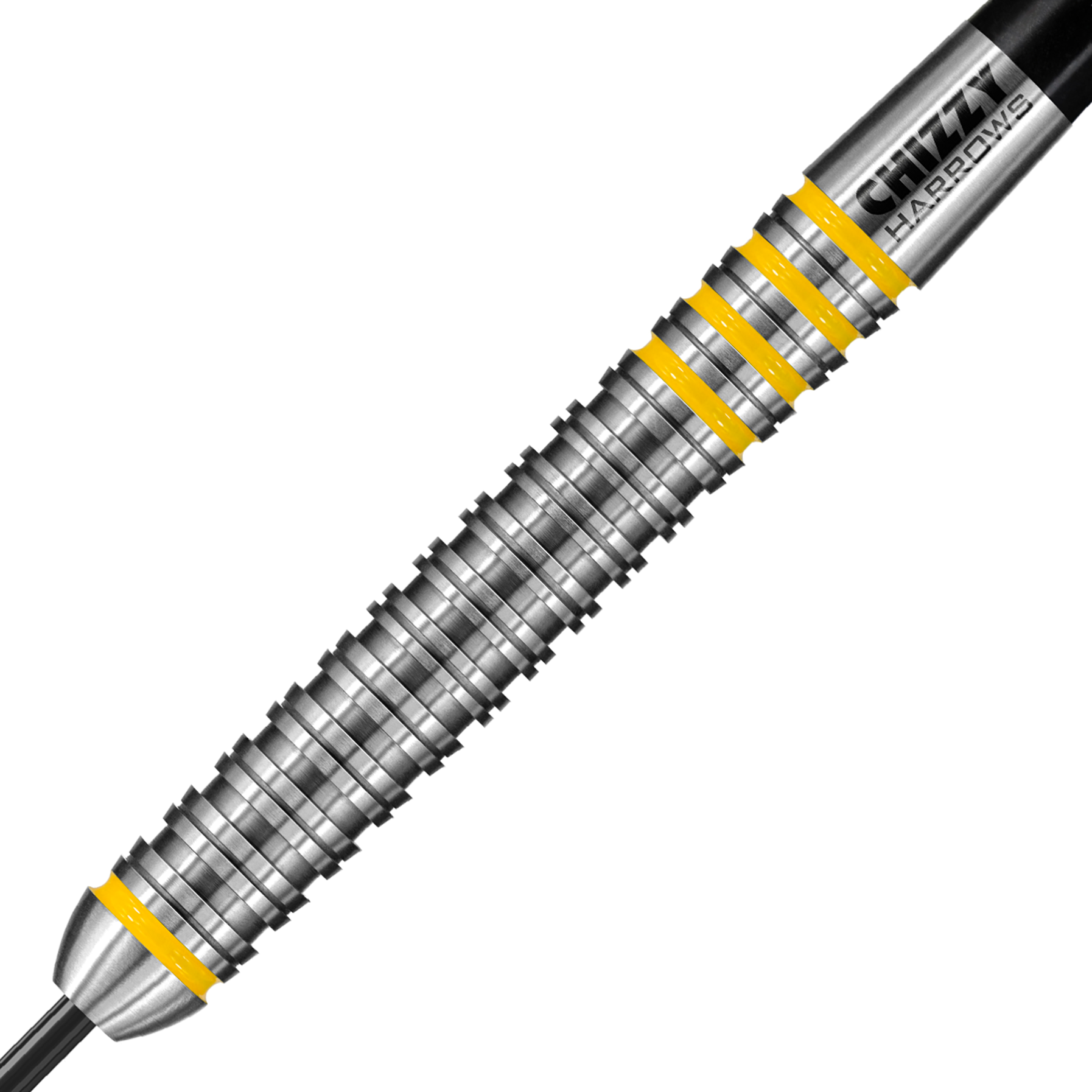
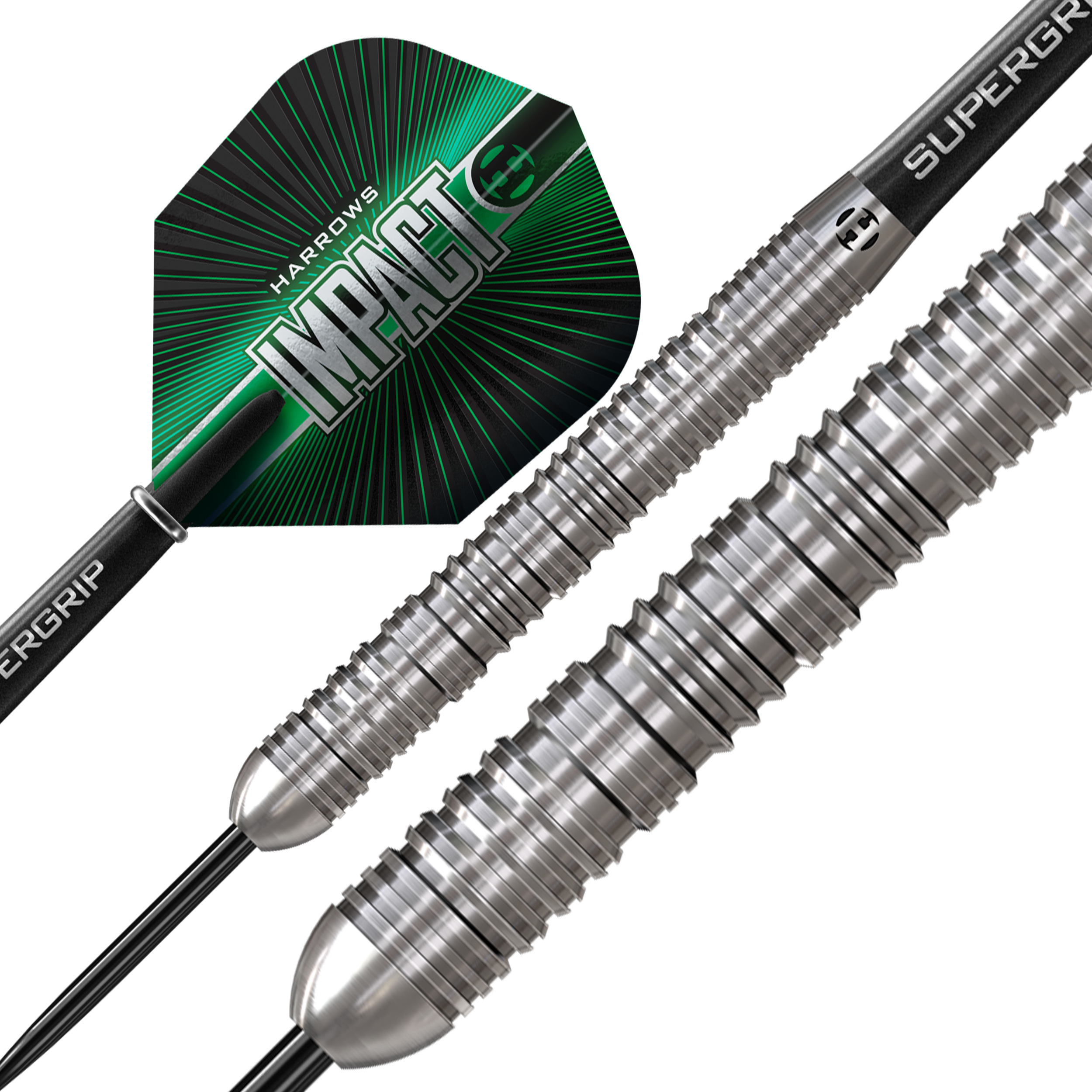
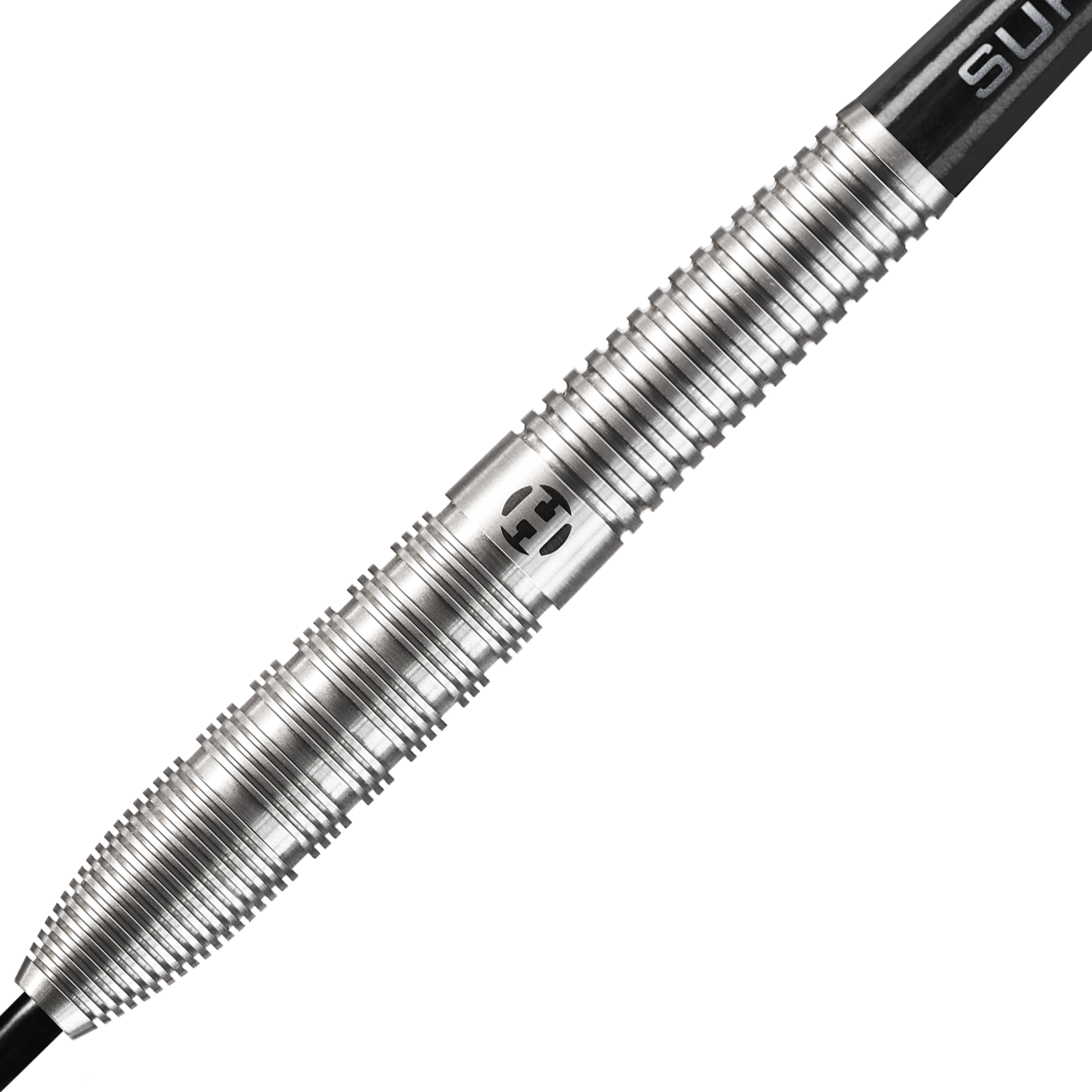
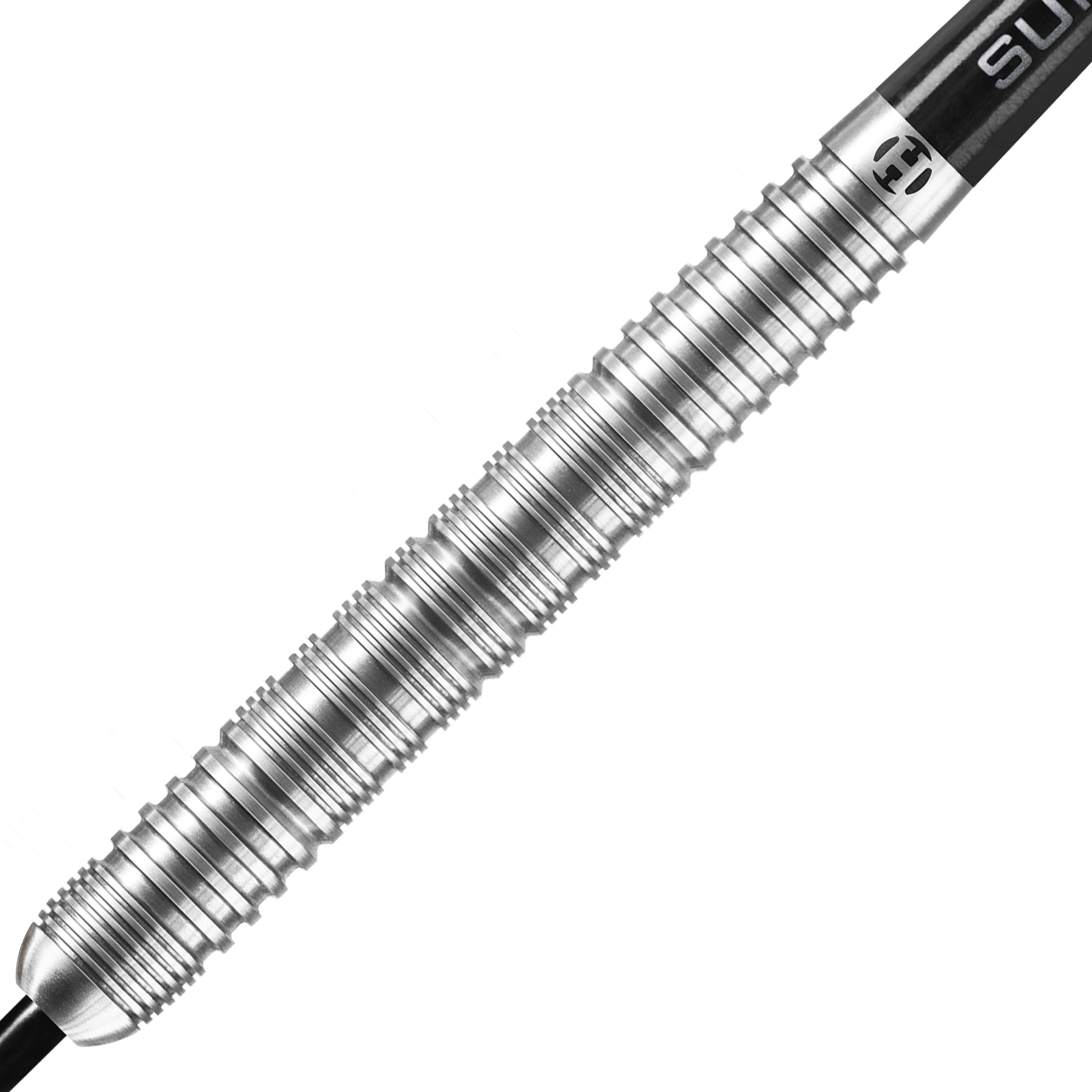
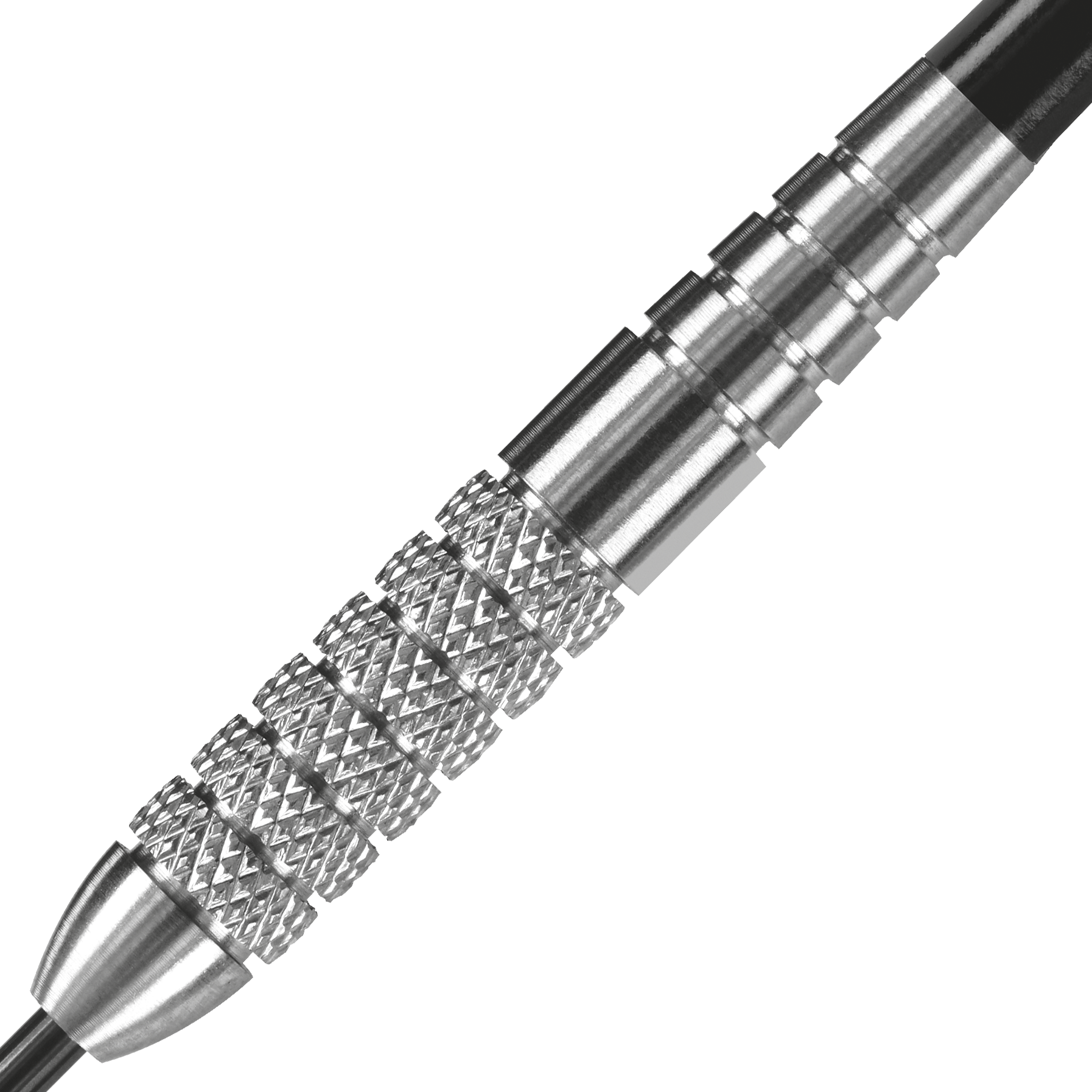
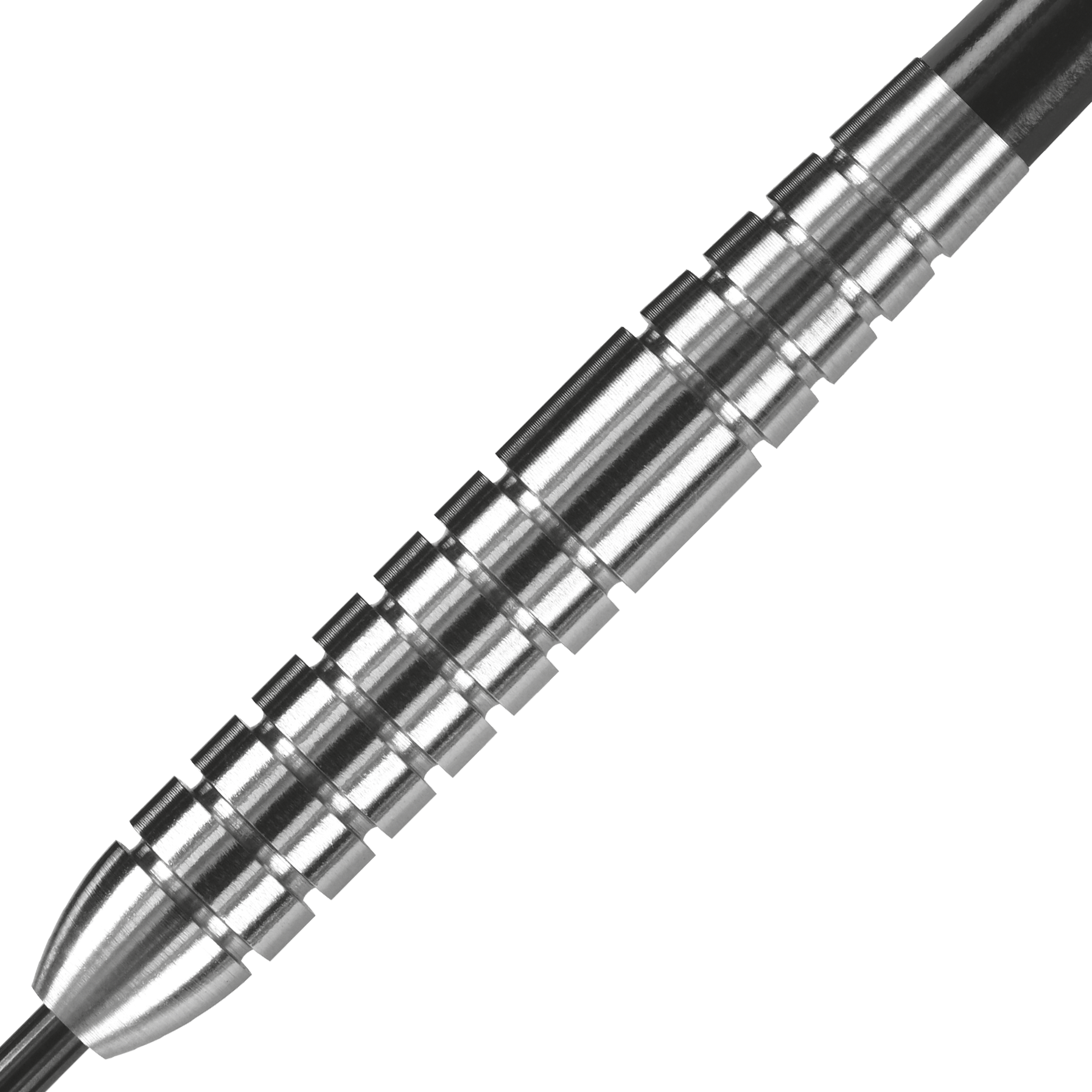
The barrel is the main body of the dart. This is the part you hold. Barrels come in different shapes, weights and grip textures. Comfort is key, so choosing the right barrel is an important decision.
Shafts
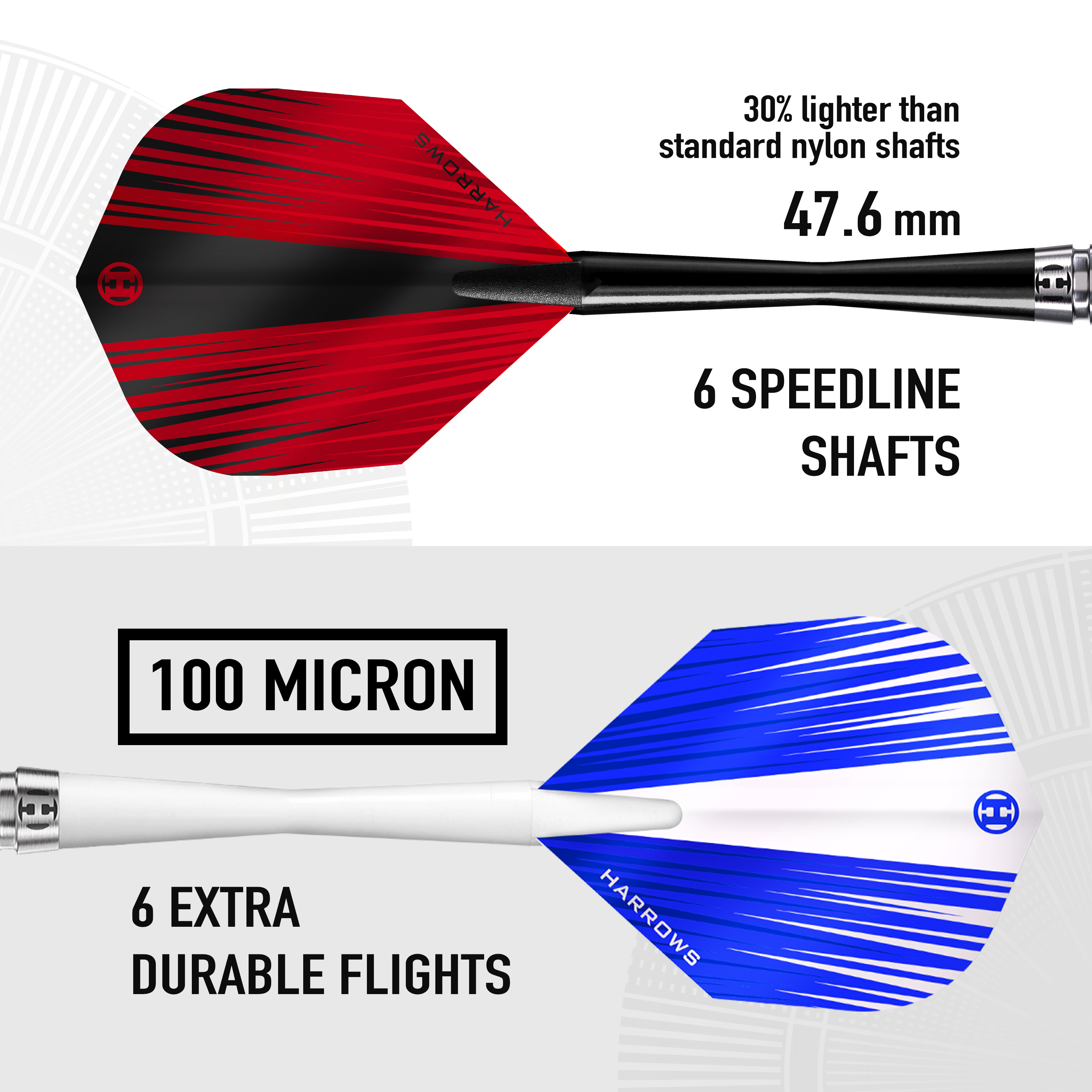
The shaft sits between the barrel and the flight. Shafts come in short, midi and medium lengths. A shorter shaft makes the dart fly more steeply. A medium shaft flattens the trajectory. Midi shafts are a good starting point for most beginners.
Flights
The flight stabilises the dart in the air. Standard-shaped flights are the most common and offer plenty of stability. Slim flights produce less drag and suit a faster throw. As a beginner, stick with standard flights until you develop your throwing style. We sell 7 different shapes of flights so you can be sure to find a shape that fits your playing style.
Darts Buying Guide: 10 Essential Questions Before You Buy a Set
1. What is your experience level?
The best darts for beginners are very different to the best darts for experienced players, so it is worth being honest about where you are starting from. If you are new to the game, you want something forgiving and easy to throw consistently. If you have been playing for a while, you will likely have a feel for what suits your style. This single question shapes every other decision in this guide.
- New to darts: Go medium weight, simple grip, standard flights
- A few months in: Start experimenting with weight and barrel shape
- Regular player: Focus on replicating what already works for you
2. What weight dart should you go for?
Dart weight is one of the most searched questions for anyone buying darts for the first time, and rightly so. Most darts weigh between 18g and 26g. Heavier darts (24g and above) need less throwing force, which can help if your throw feels inconsistent. Lighter darts suit a quicker, snappier release. As a beginner, starting somewhere around 22g to 24g is a safe bet. You can always adjust once you get a feel for your natural throw.
- Light (18 to 21g): Good for a snappy throwing style
- Mid (22g to 24g): Best starting point for most beginners
- Heavy (25g and above): Suits a less direct, more arced style throw
3. Do you need steel tip or soft tip darts?
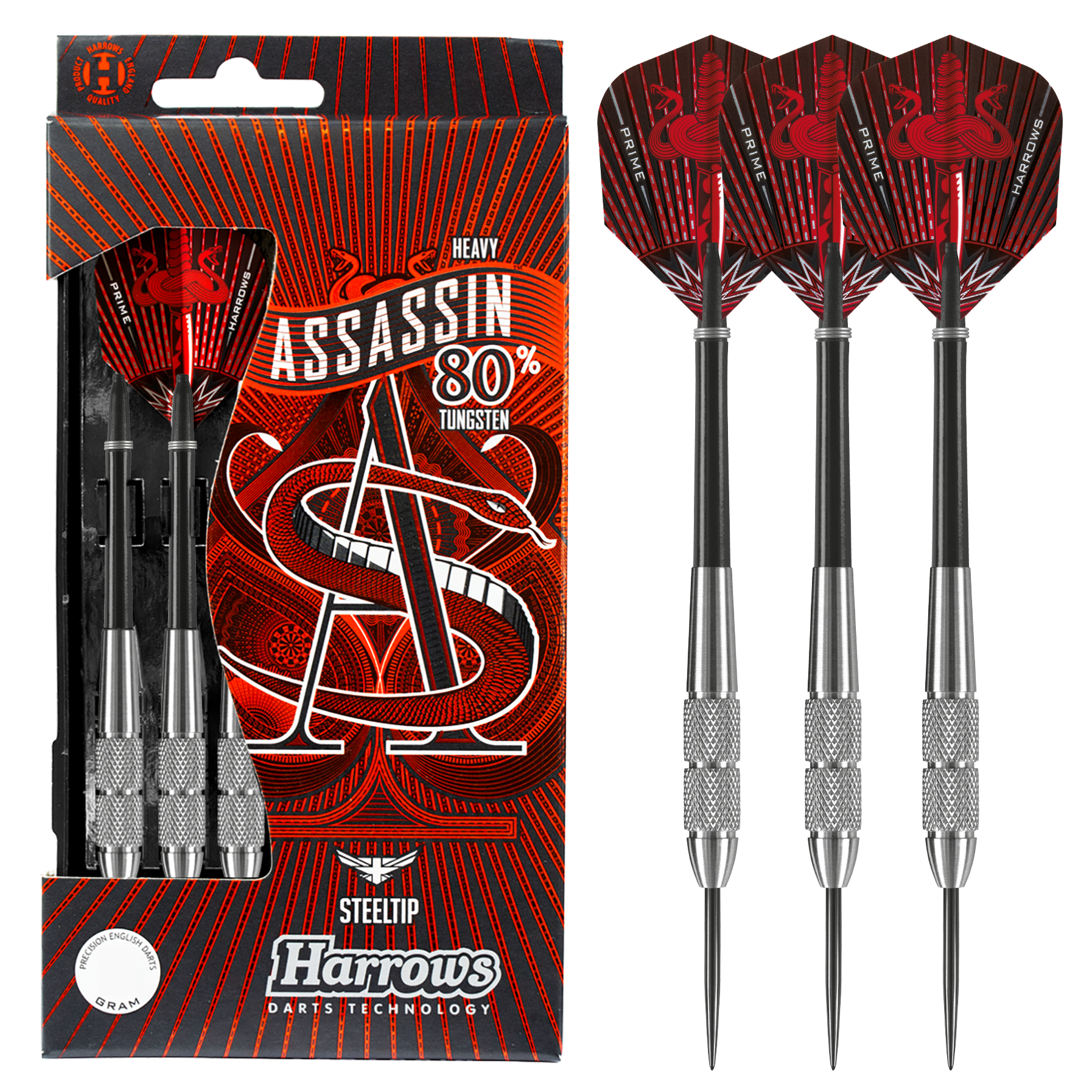
Steel tip darts are used on traditional bristle/sisal dartboards, which you will find in pubs and most homes across the UK. Soft tip darts are used on electronic dartboards and have a plastic tip instead of a metal point. If you already have a board or are buying one at the same time, make sure both are compatible. Steel tip darts are the standard choice for most players in the UK.
- Steel tip darts: For bristle/sisal boards- the most popular in the UK/Europe
- Soft tip darts: For electronic boards, great for families
- Convertible barrels: Some barrels work with both tip types
4. Which barrel material is best for beginners?
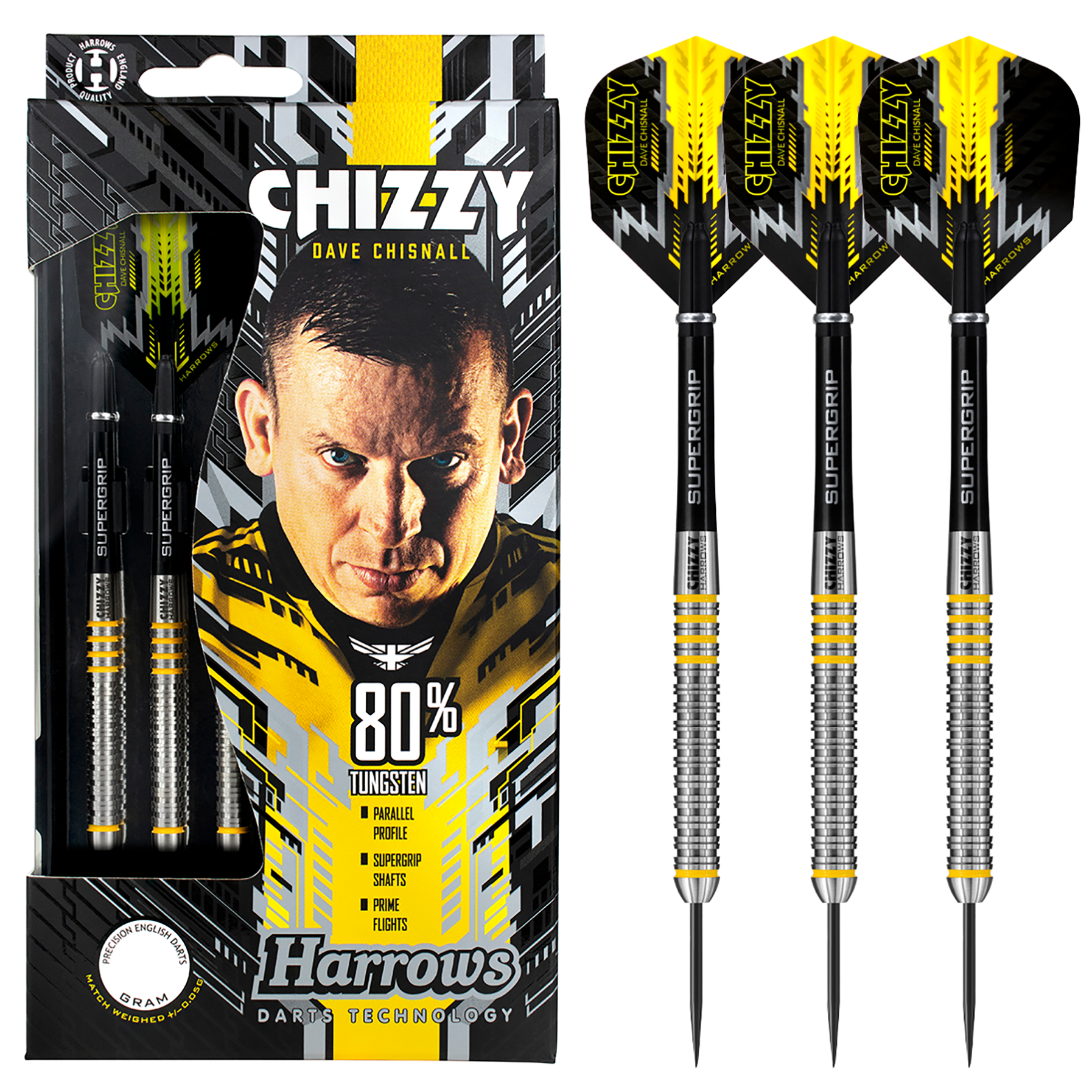
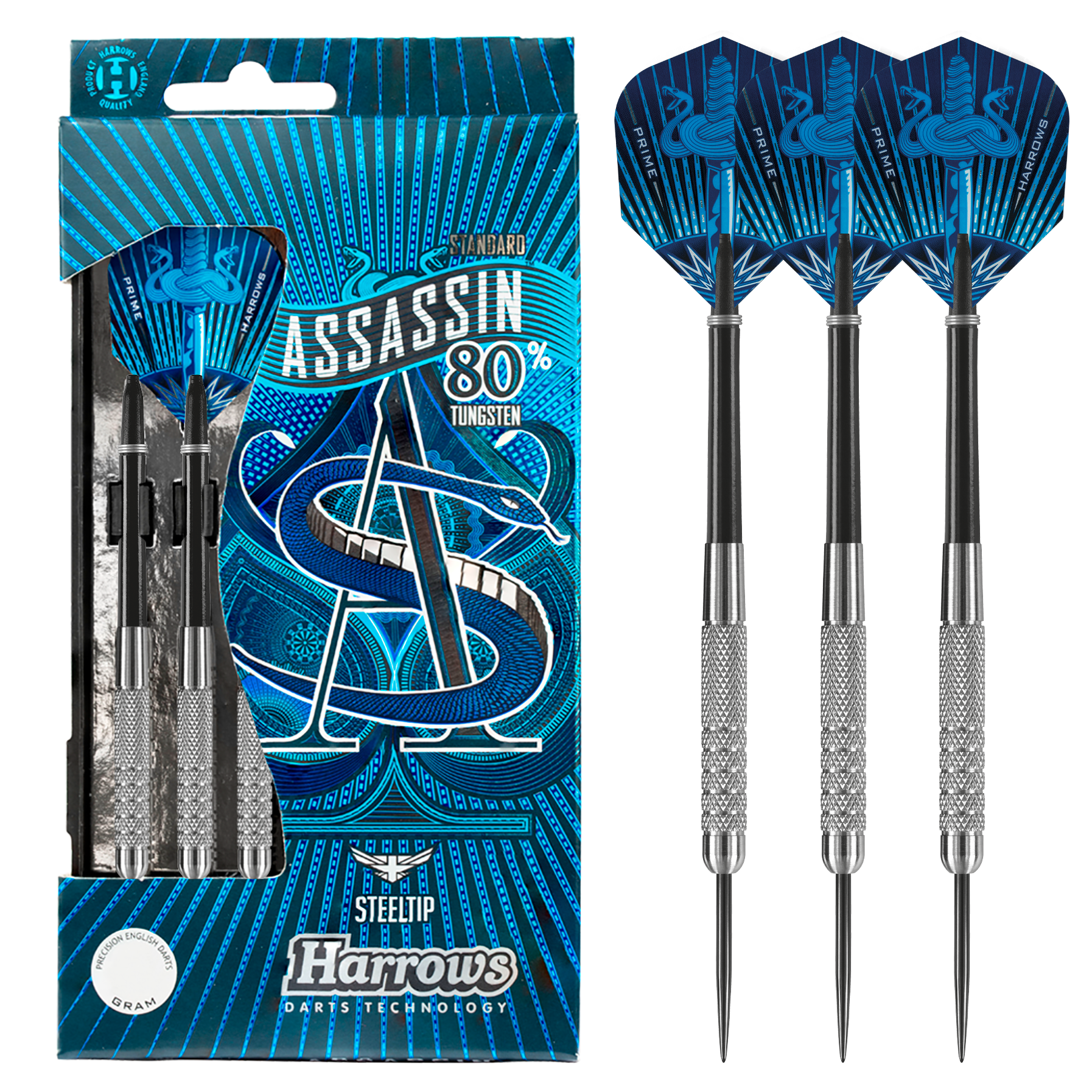
The barrel is the main body of the dart that you hold when you throw. Barrels are usually made from brass, steel or tungsten. Brass barrels are cheaper and perfectly fine for beginners, though they are bulkier because brass is less dense. Tungsten barrels are slimmer at the same weight, which means your darts can sit closer together on the board. Most experienced players use tungsten darts, and even entry-level tungsten sets offer a noticeable improvement over brass.
- Brass and steel barrels: Affordable and good for getting started
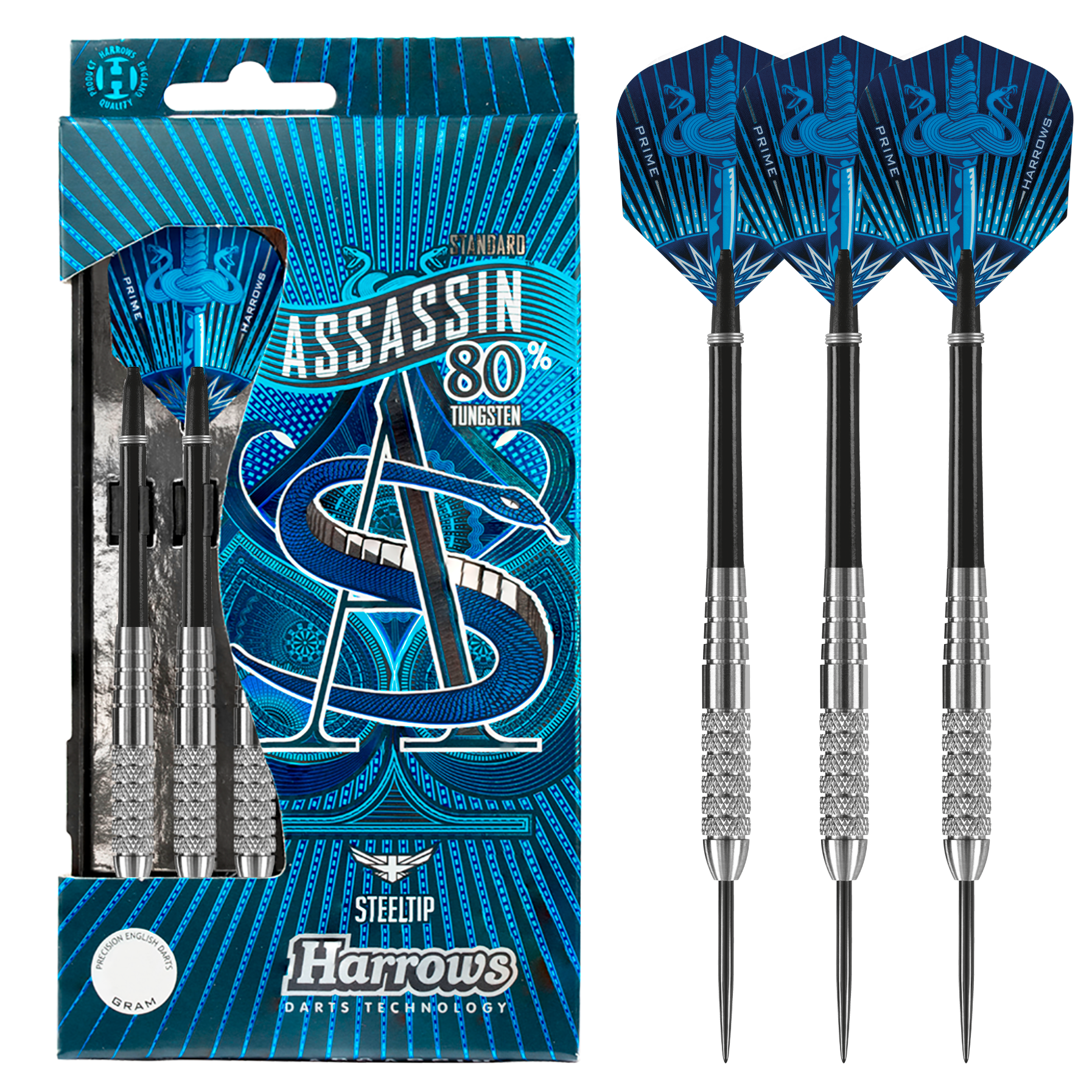
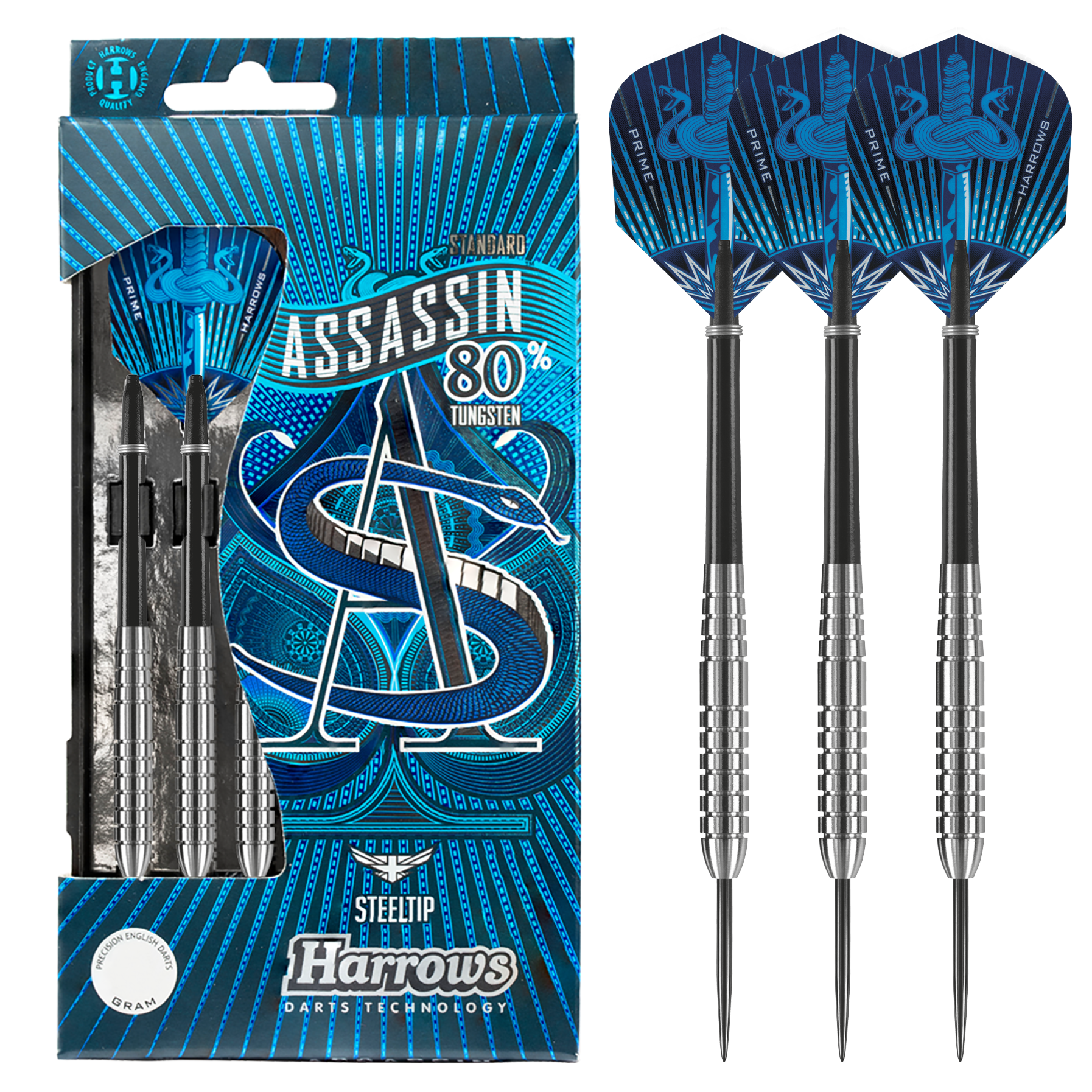
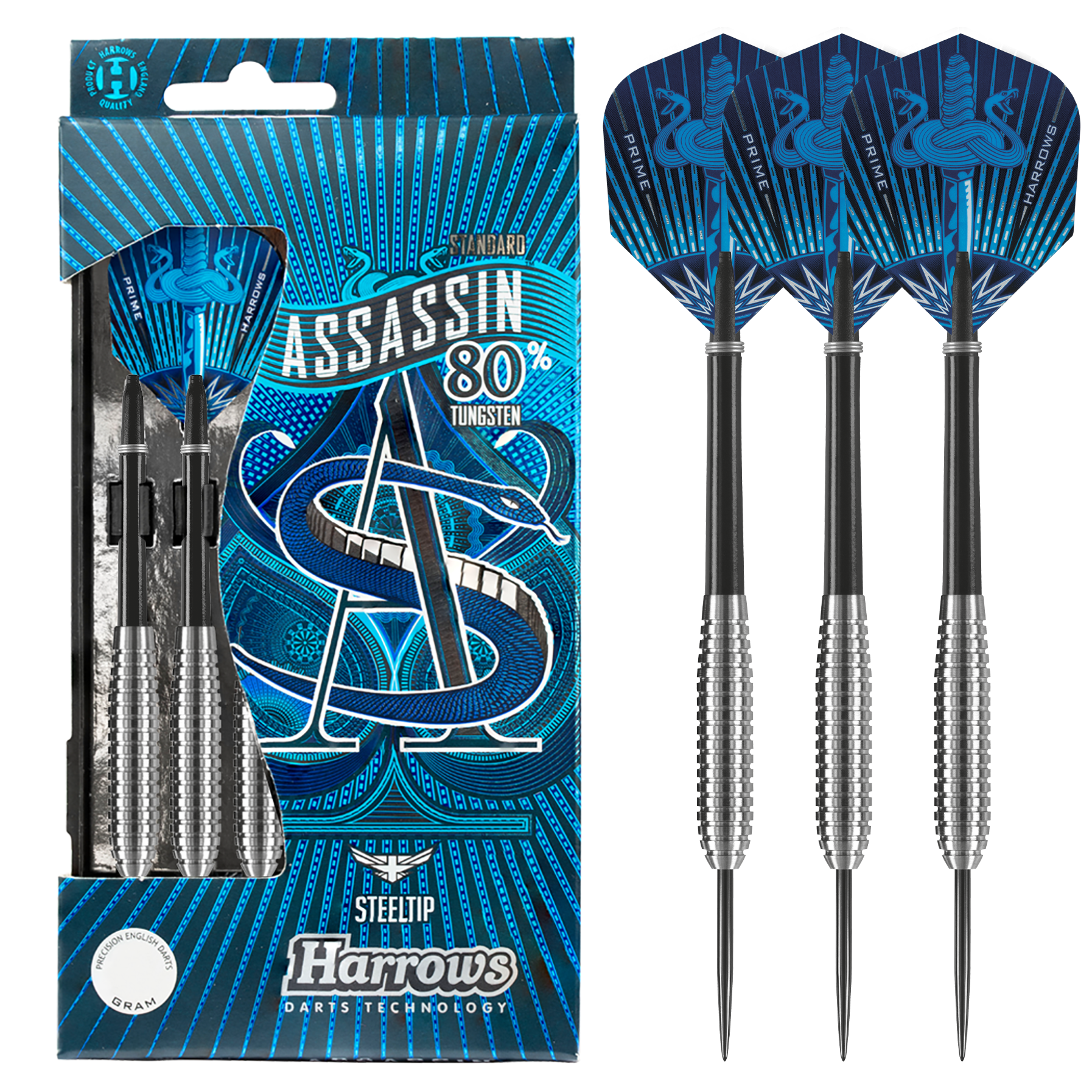
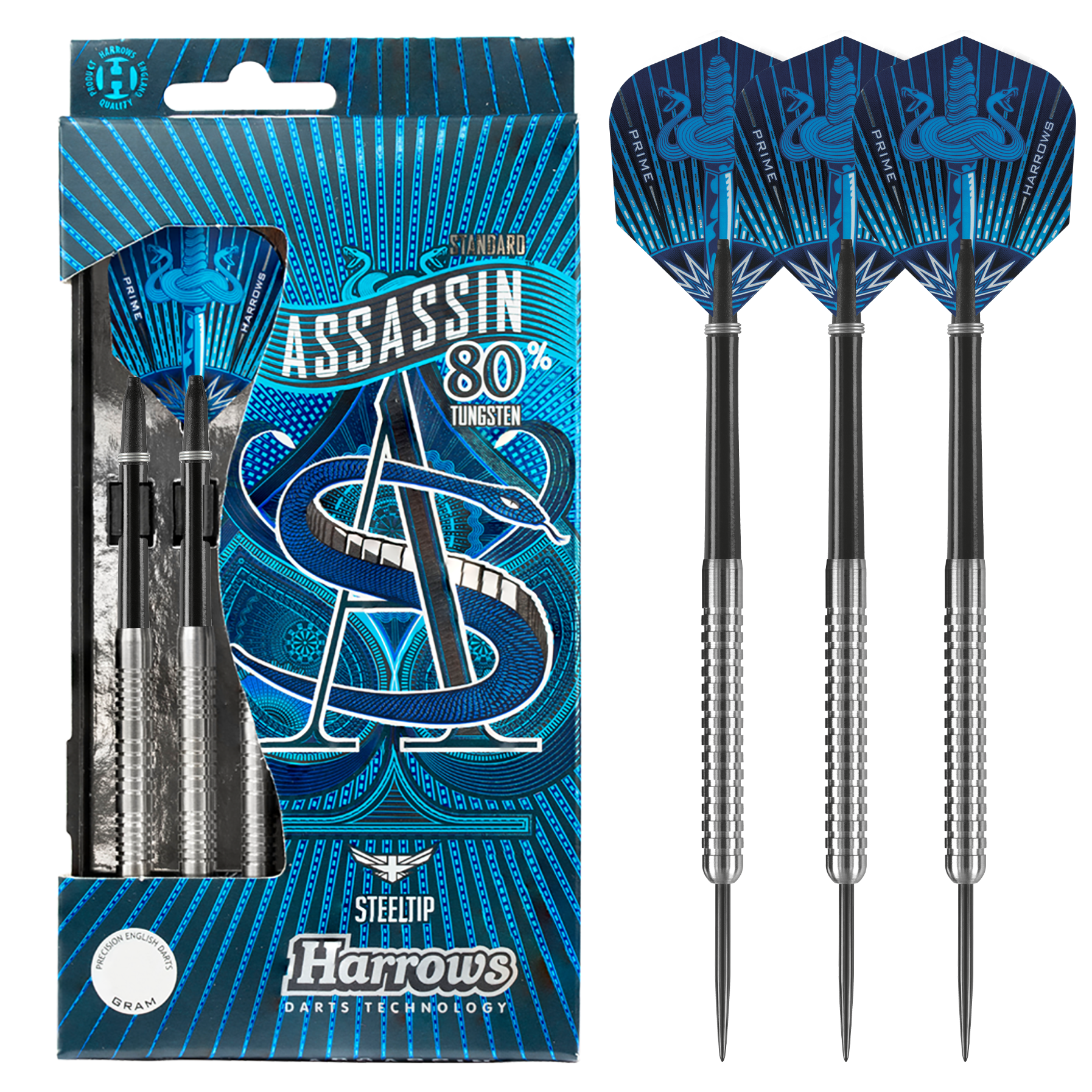
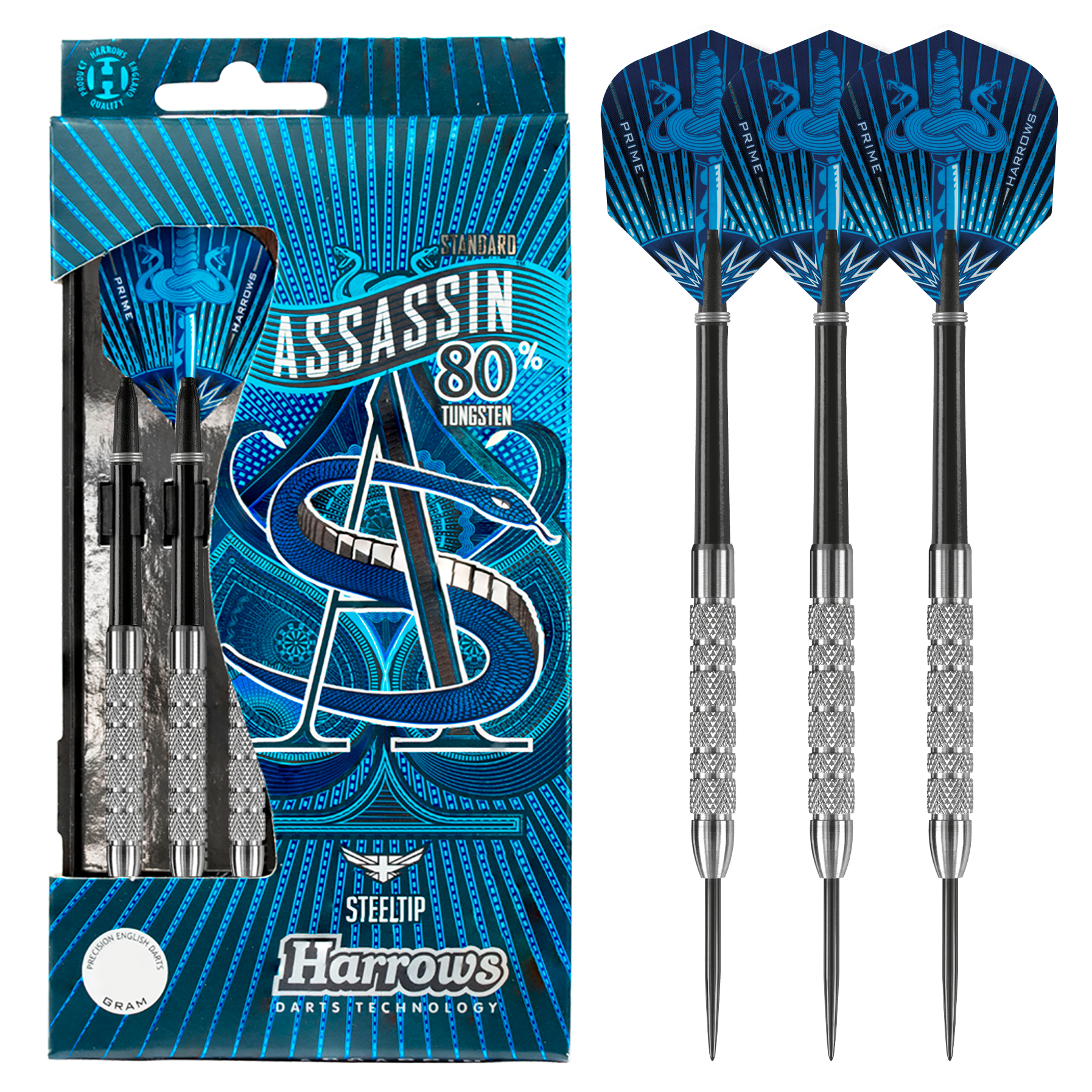
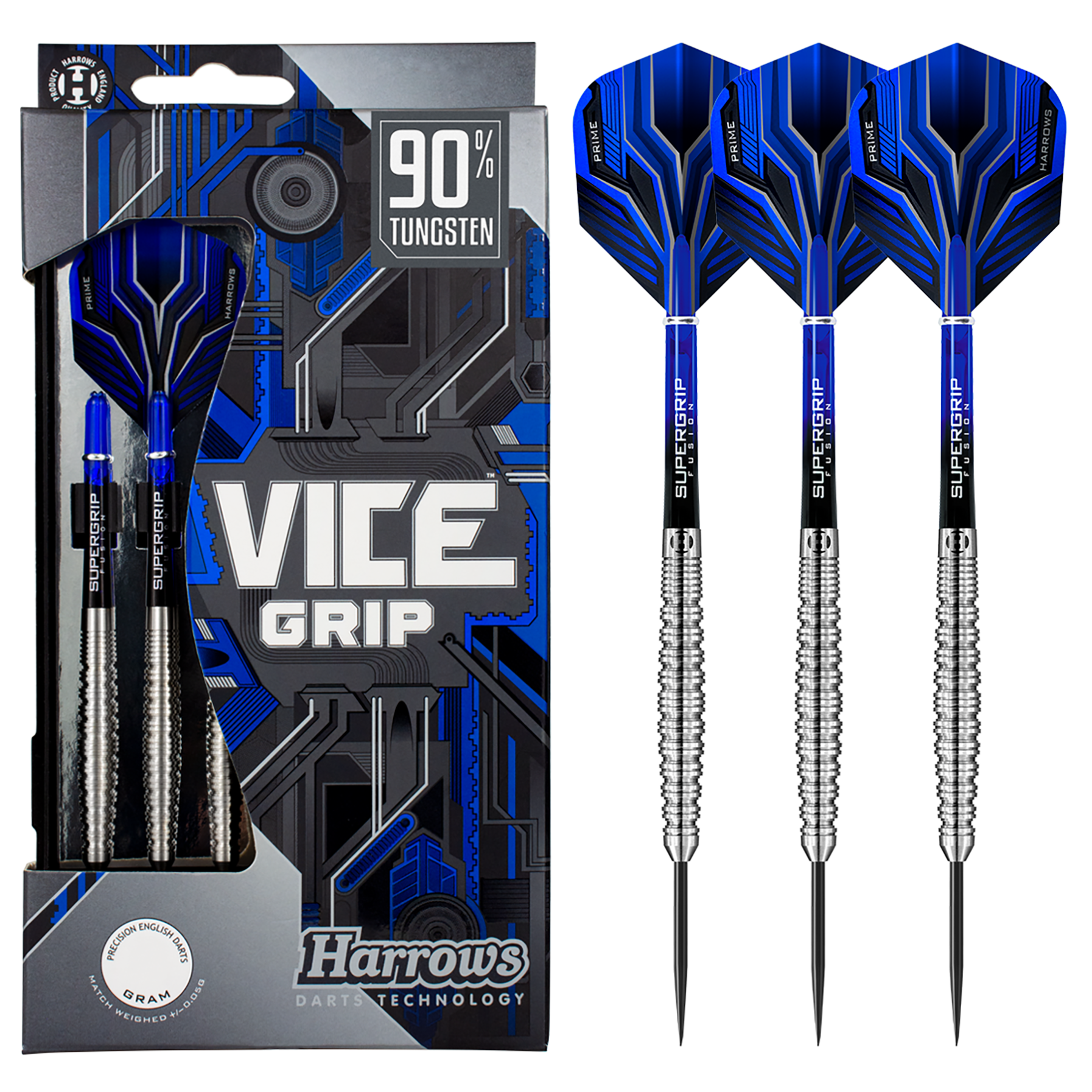
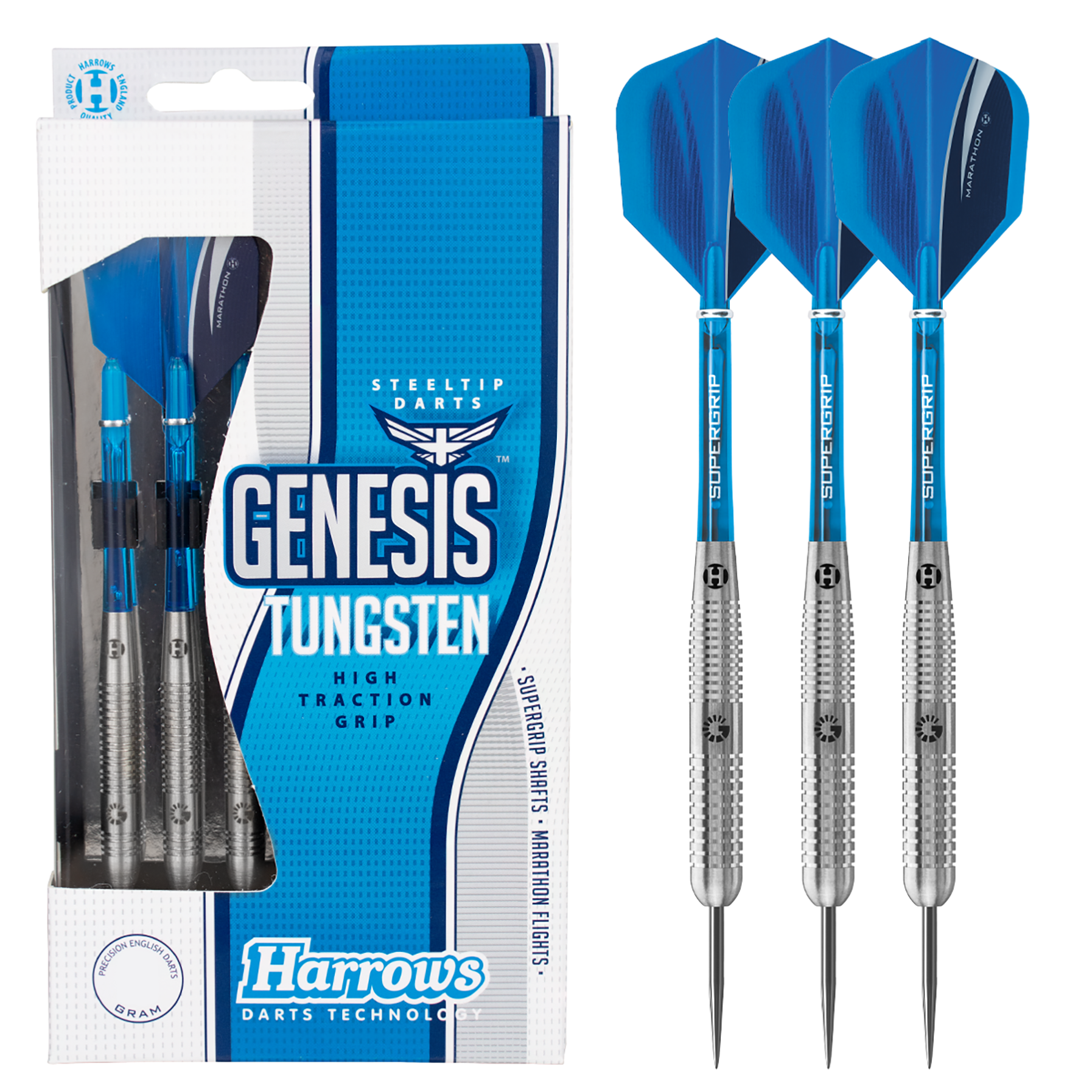
- 80% tungsten: Slimmer profile, great mid-range value
- 90%+ tungsten: Professional grade, tightest groupings on the board
5. What grip style and barrel texture should you look for?
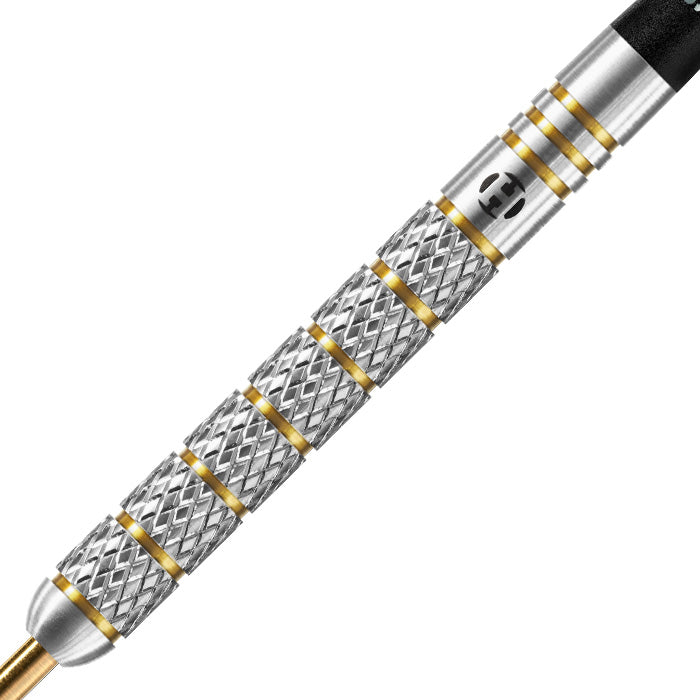
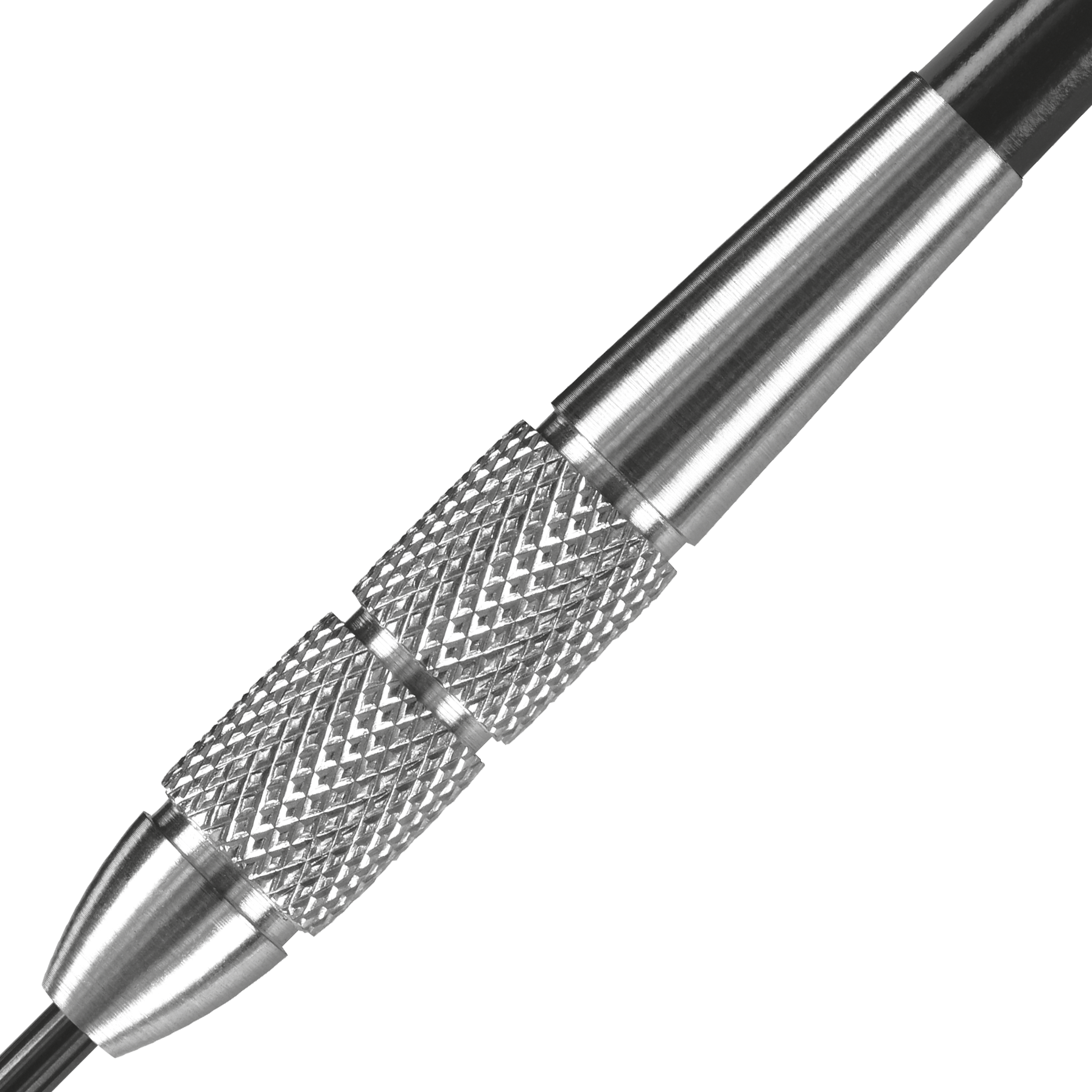
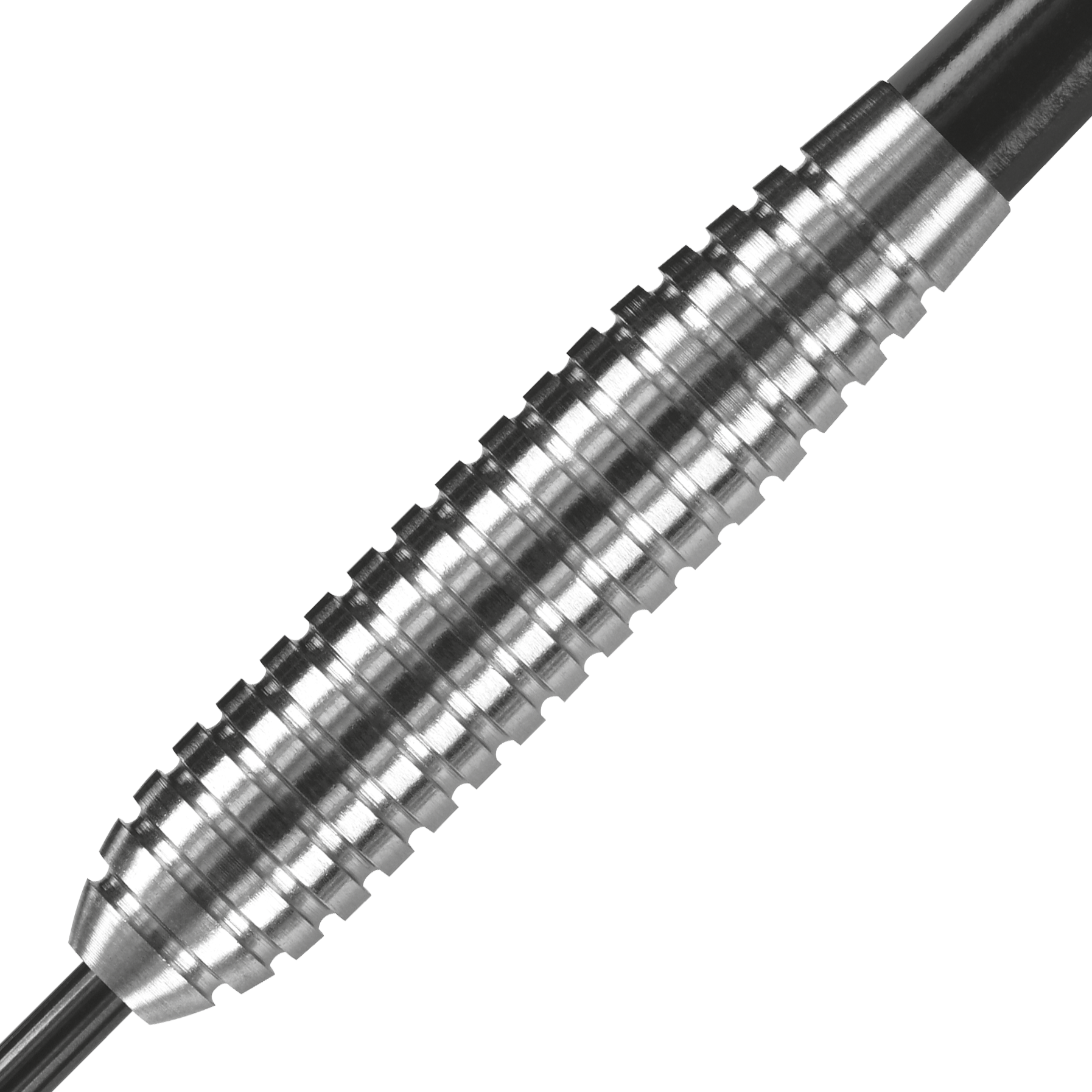
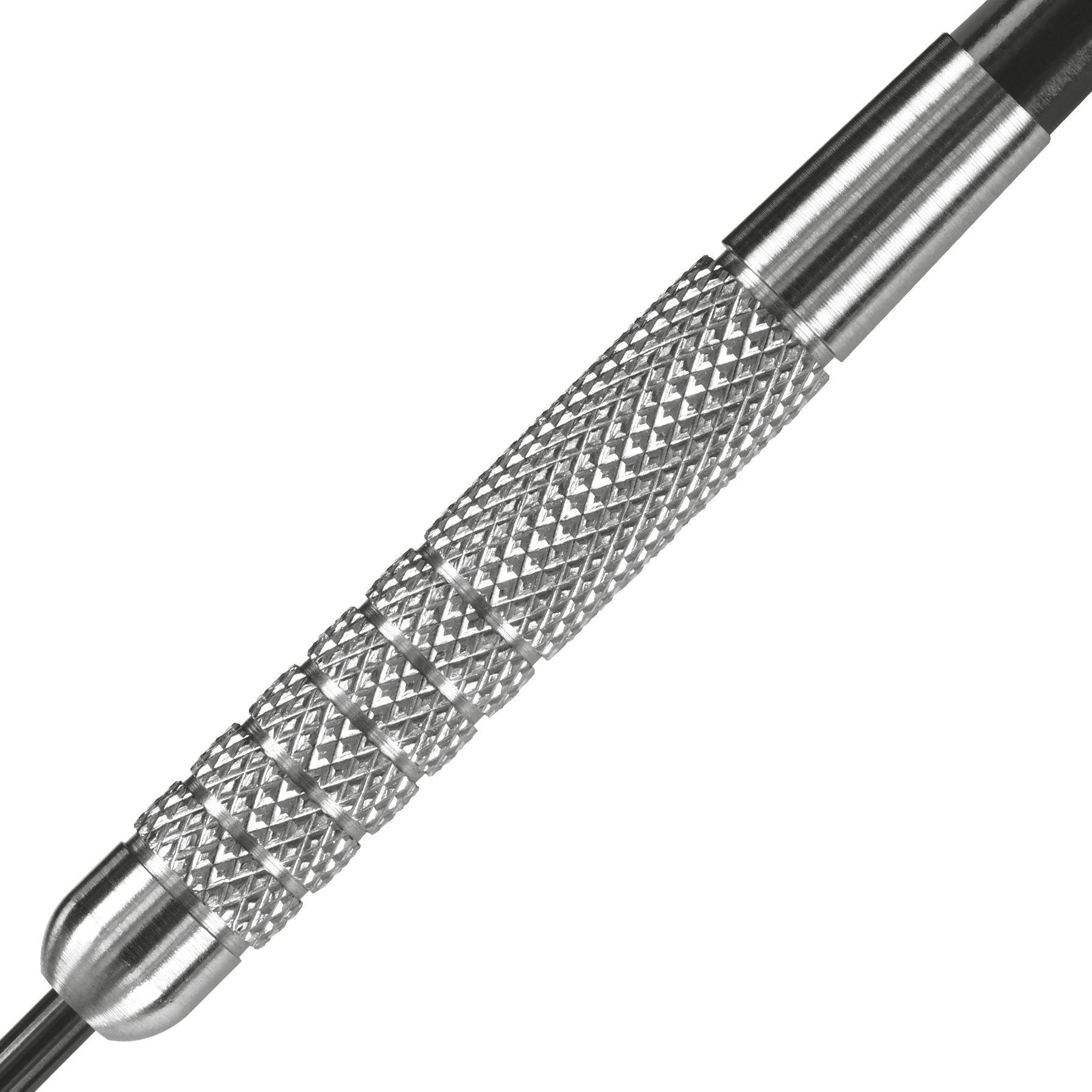
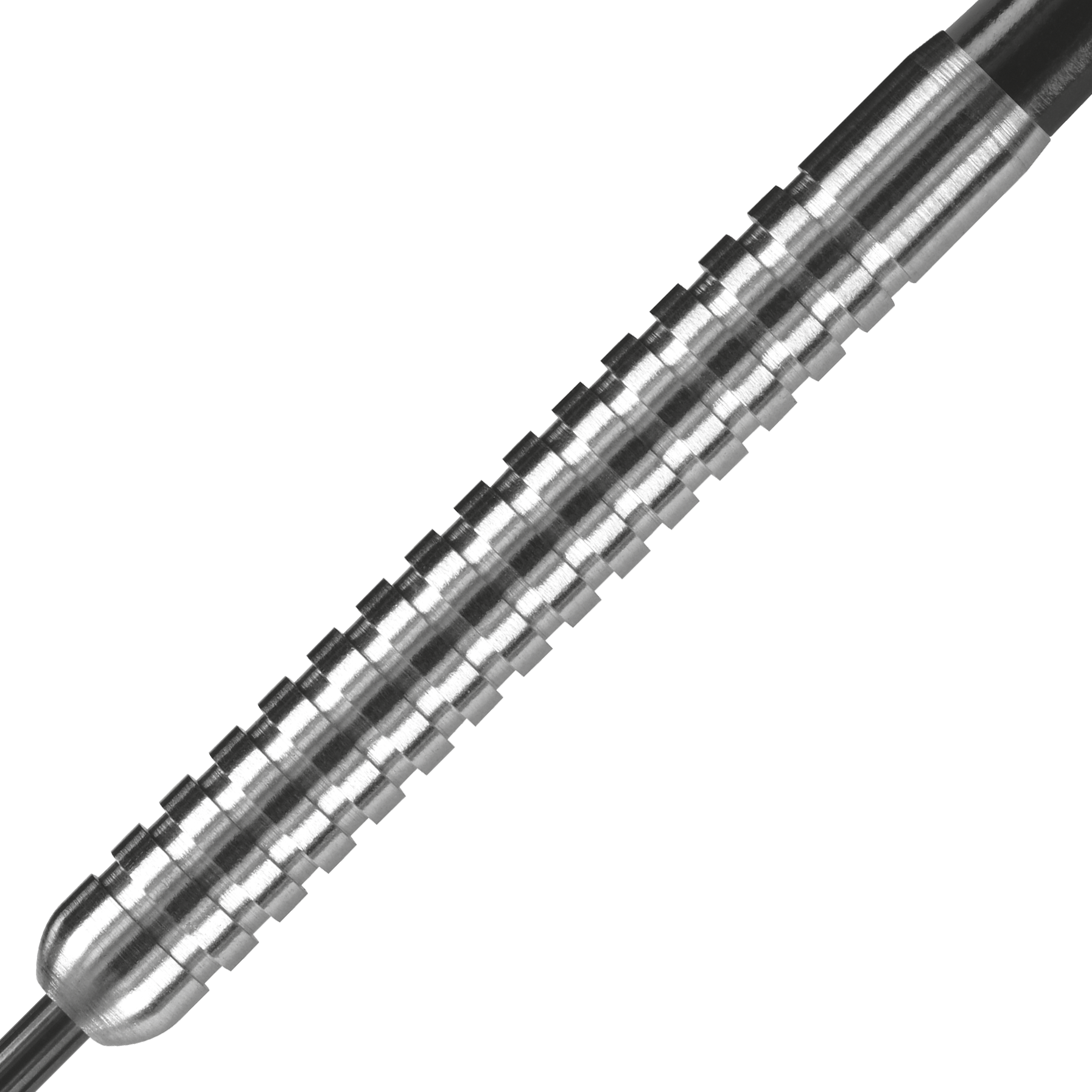
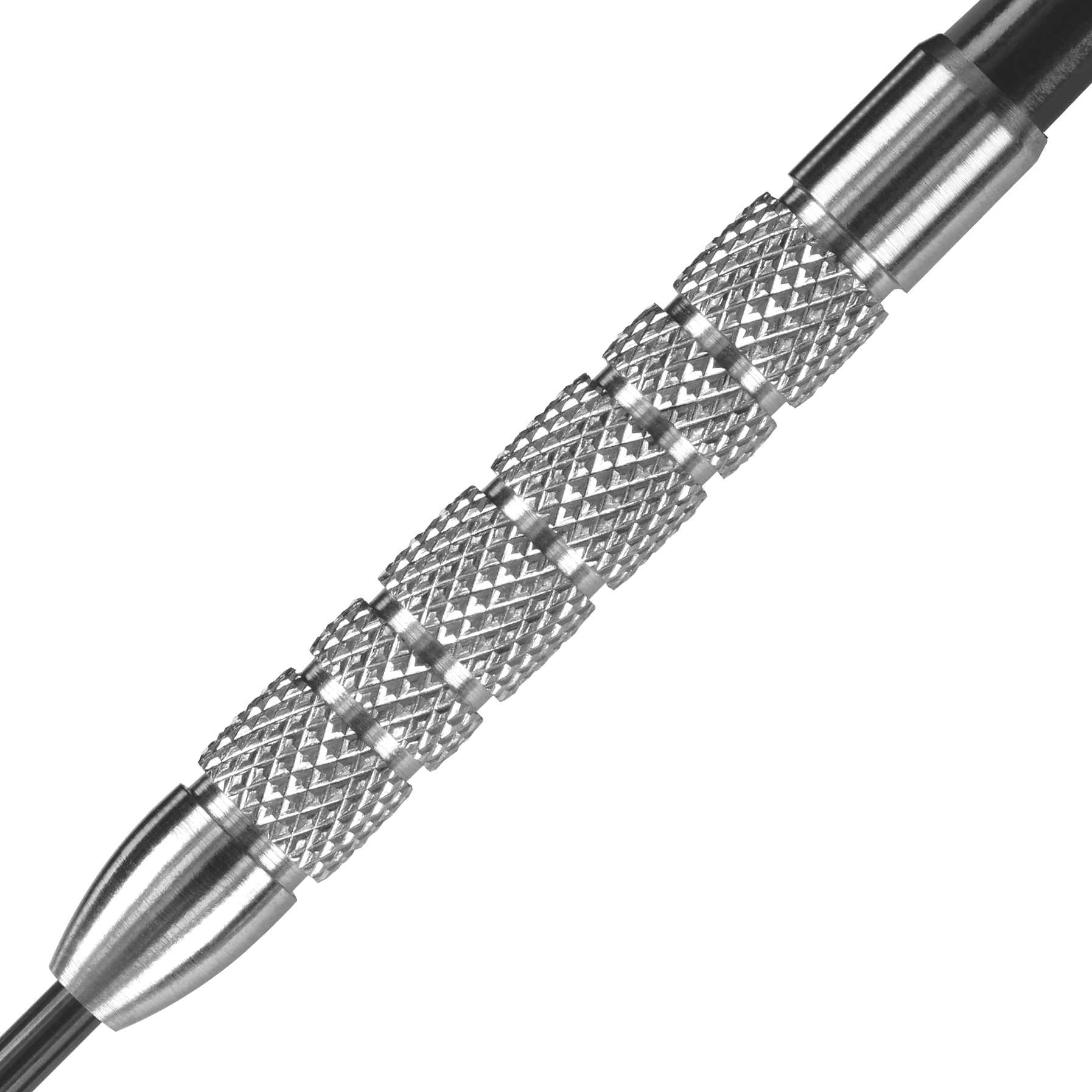
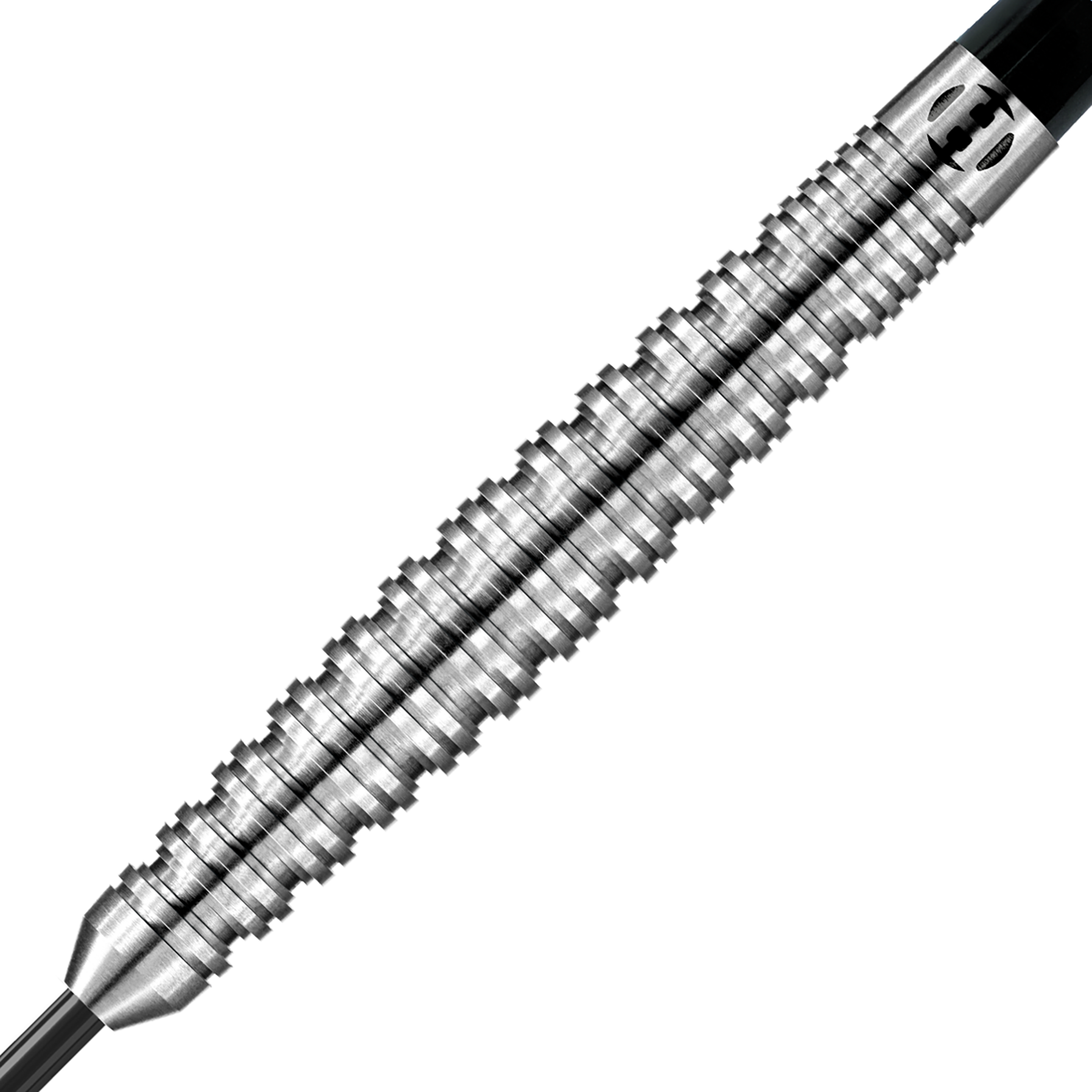
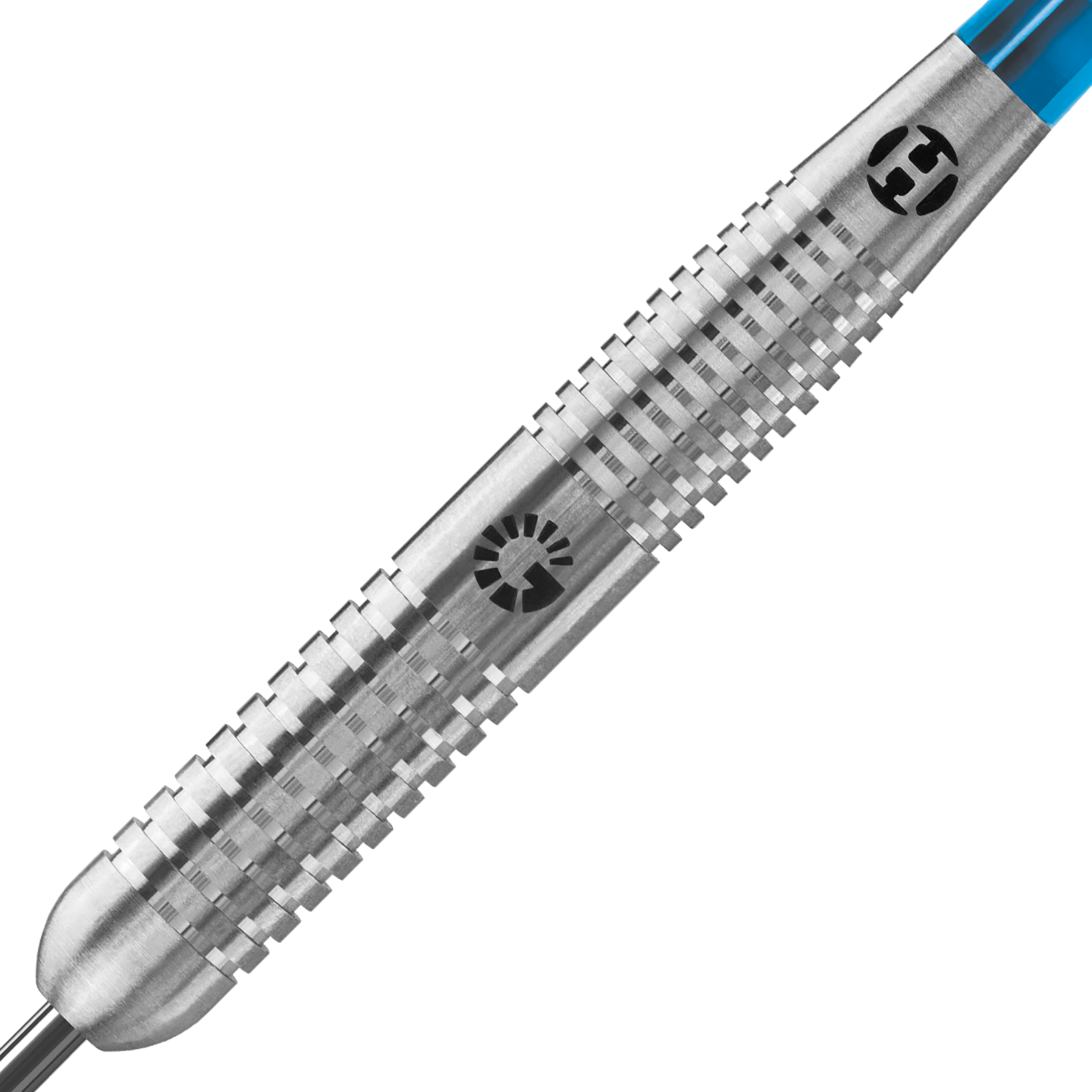
The texture on the barrel is called the knurling, and it affects how secure the dart feels between your fingers during the throw. A smooth barrel can slip on release, while a very aggressive texture can snag and cause the dart to wobble. Most beginners do well with a medium grip. Think about where on the barrel you naturally hold the dart too, as the grip pattern should be concentrated in that area.
- Light grip: Subtle rings or a smooth finish
- Medium grip: Ringed or shallow knurling, suits most beginners
- Aggressive grip: Deep texture, suits players with a looser hold
Top tip:
If you have sweaty hands, go for a grippier barrel. A dart that slips during release will never land where you intended.
If your hands tend to be dry, a lighter ring grip or even a smooth barrel will work well. Too much grip can actually make it harder to release the dart cleanly.
6. Which dart flight shape is right for you?
Flights are the plastic wings at the back of the dart that keep it stable as it travels through the air. Larger standard flights create more drag, which helps the dart fly in a smooth arc. This makes them ideal for beginners. Smaller slim flights are better suited to players with a faster, flatter throw. The good news is that flights are cheap, so once you have a set of darts you can experiment freely to find what works best for you.
- Standard flights: Most stable, the best choice for new players
- Slim or kite flights: Less drag, suits a faster throwing style
- Pear or teardrop flights: A balanced option between the two
7. How does shaft length affect your throw?
The shaft (also called the stem) connects the barrel to the flight. Shorter shafts tend to suit players who throw at a downward angle, as they tighten the dart's angle of entry into the board. Longer shafts add stability and are often more forgiving for beginners. Shafts are made from nylon, aluminium or carbon fibre. Nylon shafts are the most affordable and are a practical choice when you are just starting out.
- Short (25mm to 34mm): Steeper throw angle, favoured by players who like their darts to stand upright on the board
- Medium (38mm to 41mm): Versatile length, the most common choice
- Long (45mm and above): Extra stability, allowing for flatter entry to the board and suit players who like to stack their darts
8. What is your budget for buying darts?
You do not need to spend a lot to get a decent set of darts, but spending a little more makes a real difference. Sets under £20 are usually brass and will get you started. Between £20 and £60 you can access tungsten barrels, which is where the biggest quality jump happens. Above £60 you are into professional-grade materials with precision machining. For most beginners, a budget of around £25 to £40 is a great place to start.
- Under £20: Brass sets, great for trying the game out
- £20 to £60: Entry tungsten, the best value for beginners
- £60 and above: Premium tungsten, suited to regular players
Best Darts for Beginners